
The Hidden Cost of Delaying a Scratch Repair: A Realistic Breakdown
A scratch rarely feels urgent. It doesn’t affect how the car drives, it’s easy to angle the car so you don’t see it in the driveway, and there’s always a reason to deal with it “next month.”
This guide looks at what actually happens to a scratch over time if it’s left untouched, using realistic timeframes and cost bands rather than worst-case scenarios, so you can make an informed call on whether waiting actually saves you money.
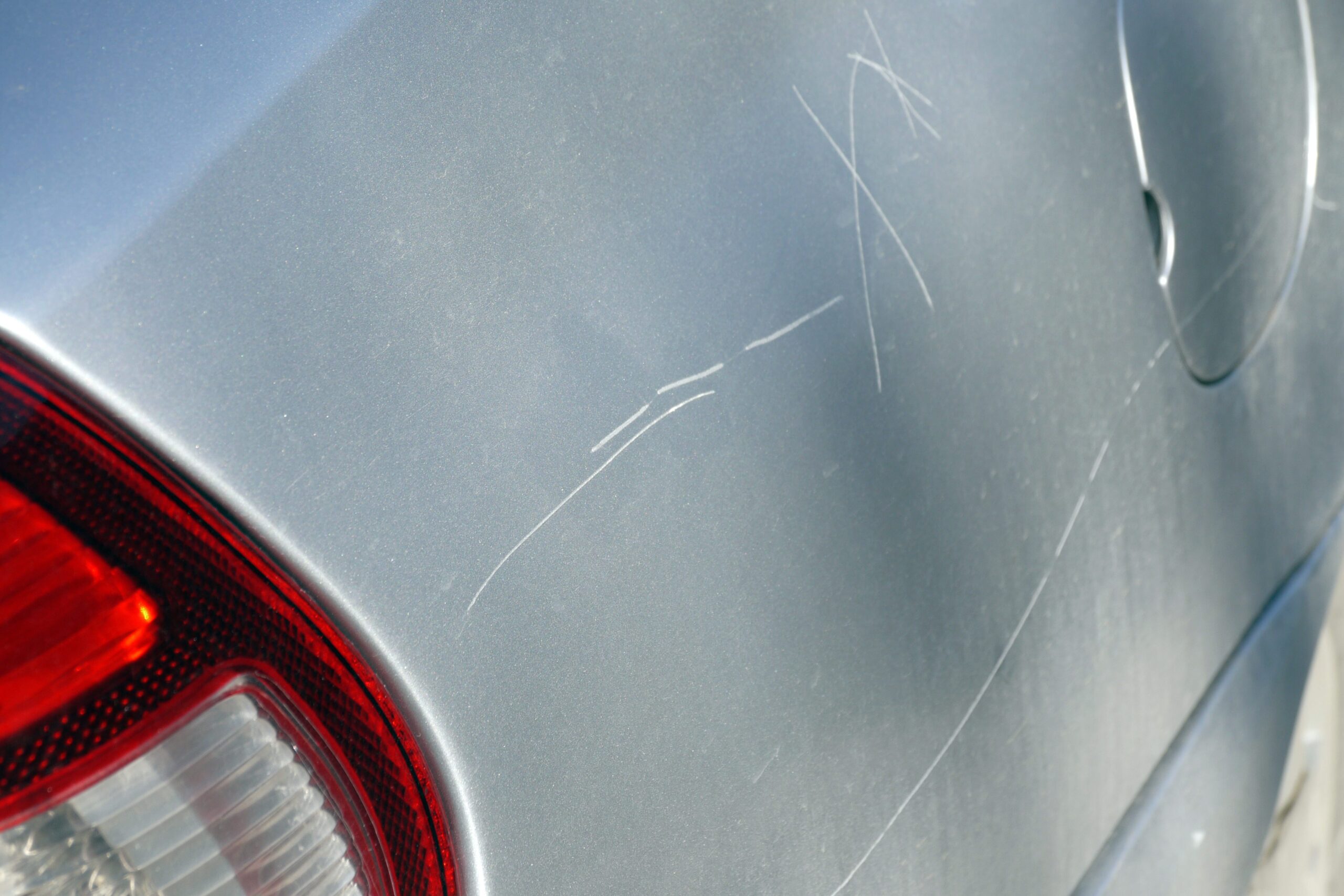
Where the Real Risk Lies
Most advice about scratch repair leans on urgency that doesn’t match reality. Not every scratch is a ticking time bomb, and treating every mark on a car like an emergency isn’t honest or useful. At the same time, some scratches genuinely do get more expensive to fix the longer they’re left, and knowing the difference between the two lets you actually prioritise sensibly instead of either panicking or ignoring everything equally.
This is about giving you a realistic picture, grounded in how paint and metal actually behave over time, so you can decide what’s worth fixing now and what can reasonably wait.
What You’ll Need Before You Assess It
Before deciding whether your scratch can wait, take a close look at whether it has broken through the clear coat, and get a rough sense of how long the damage has already been there. It also helps to note where the scratch sits, since panel location affects how much moisture and sun exposure it gets. If you want an accurate, current cost rather than a guess, a written quote is the only real way to know.
Stage One: Clear Coat Only, First Few Months
A scratch that hasn’t gone past the clear coat is largely cosmetic during this period. The clear coat’s job is to protect the colour layer beneath it, and a scratch here doesn’t expose bare metal or the base coat to moisture. Realistically, this stage can sit for a reasonable amount of time without meaningfully worsening, though UV exposure will gradually make it more visible as the surrounding paint’s gloss holds up better than the scratched area.
Stage Two: Base Coat Exposed, Three to Six Months
Once a scratch has gone through the clear coat into the base coat, the colour layer itself is now exposed without its protective top layer. This doesn’t cause immediate damage, but it does mean the exposed edge is more vulnerable to UV fading and moisture creeping in at the edges over repeated wet and dry cycles. During this window, the repair is still straightforward and the cost difference from fixing it immediately is minimal, mostly just the natural fading that makes an exact colour match slightly harder the longer it’s left.
Stage Three: Primer or Bare Metal Exposed, Six Months Onward
This is the stage where the numbers actually start to shift. Once a scratch has gone all the way through to primer or bare metal, moisture has a genuine path to the metal surface. In South Africa’s climate, with seasonal rain and humidity swings, this doesn’t mean instant rust, but it does mean the clock has meaningfully started. Depending on the panel’s exposure to rain and how often the car is washed and dried properly, visible surface rust at the scratch line can begin appearing anywhere from around six months to just over a year.
Stage Four: Surface Rust Established, a Year or More
Once rust has taken hold at the scratch line, the repair scope changes. What would have been a straightforward clean, prime, and paint job now requires removing the rust first, treating the affected metal, and confirming no pitting has occurred before painting can proceed. This is the stage where the cost difference from an early repair becomes real and worth paying attention to, though it’s still usually a matter of a few hundred to low thousands of rand more, not a dramatic multiple of the original quote.
A Realistic Look at the Cost Bands
A clear coat only scratch repaired early typically sits in the same modest cost band whether it’s fixed in month one or month four, since the repair itself doesn’t change much.
Once base coat is exposed and left for six months or more, the repair may need slightly more prep work to feather the edges of a slightly larger affected area, adding a modest amount to the quote. Once rust has set in, the addition of rust treatment and re-priming can add a genuine, noticeable amount to the original estimate, though this is still generally proportional rather than catastrophic on a single scratch.
The exception is when a small scratch is on a panel edge, near a wheel arch, or somewhere else water naturally collects. These locations accelerate every stage above, since standing moisture does more damage than a splash of rain that dries off quickly.
When Things Don’t Look Straightforward
If you’re not sure whether your scratch has gone past the clear coat, run a fingernail gently across it. If it catches or feels like a groove rather than a smooth surface, it has likely gone through to the base coat or further.
If you’ve noticed a slight colour change at the edge of an old scratch, this is usually early oxidation or the very beginning stage of surface change, not yet rust, but worth having assessed before it progresses further.
If there’s a small orange or brown discolouration in the scratch line, this is early surface rust. It’s still generally manageable at this stage and doesn’t require panel replacement, but it does mean the repair now includes rust treatment rather than just paint.
If you’ve been putting off a repair because it doesn’t look urgent, that’s often a reasonable read for a clear coat only scratch. The more useful question is whether you actually know which stage your specific scratch is at, since assuming without checking is where the real risk lies.
If the scratch is in a spot that gets rained on directly and rarely dries, this is worth prioritising over a similar-looking scratch elsewhere on the car, since exposure and drainage matter more to the timeline than the scratch’s length or visibility.
Get an Honest Assessment With Metalcross
The real cost of delaying a scratch repair isn’t usually a dramatic jump in price, it’s more often about losing track of which scratches are still harmless and which ones have quietly moved into a different category. A quick check every few months, rather than either constant worry or complete neglect, is the most realistic way to stay ahead of it.
Metalcross Vehicle Makeover Clinic in Fourways, Johannesburg can send photos of your scratch and let you know exactly what stage it’s at and what it will cost to fix now.
Call 011 704 1800 or visit www.metalcross.co.za to get a quote or reach out via our contact page today.
Frequently Asked Questions
How long can I actually leave a small scratch before it becomes a problem?
If the scratch hasn’t gone past the clear coat, it can generally sit for a good while without meaningfully worsening. Once it reaches the base coat or metal, the realistic window before rust becomes a factor is usually somewhere around six months to a year, depending on exposure.
Does every untreated scratch eventually rust?
Not necessarily. A scratch that stays within the clear coat layer doesn’t expose metal at all, so rust isn’t really a factor for that type of damage regardless of how long it’s left.
How much more does it cost to fix a scratch once it has started rusting?
Generally a few hundred to low thousands of rand more than an early repair, since rust treatment and additional prep work get added to the job. It’s a genuine increase, but not the dramatic jump some drivers expect.
Does the location of the scratch on the car actually matter?
Yes. Panels that collect standing water or get rained on more directly, such as areas near wheel arches or lower panel edges, tend to progress through these stages faster than a scratch higher up on a bonnet or roof.