
Hail Damage Insurance Claims in Gauteng: A Step by Step Guide for 2026
Gauteng’s hail season brings the same question to thousands of car owners every year: how do you actually turn a bonnet full of dents into a paid claim without losing weeks to paperwork or a lowball settlement? Most drivers only learn the rules of this process mid-claim, when a missed deadline or the wrong documentation has already cost them time they didn’t need to lose.
This guide walks through the insurance claims process itself, from the moment you report the damage to the moment your car comes back from an approved repairer, so you know what to expect before you ever need to pick up the phone.
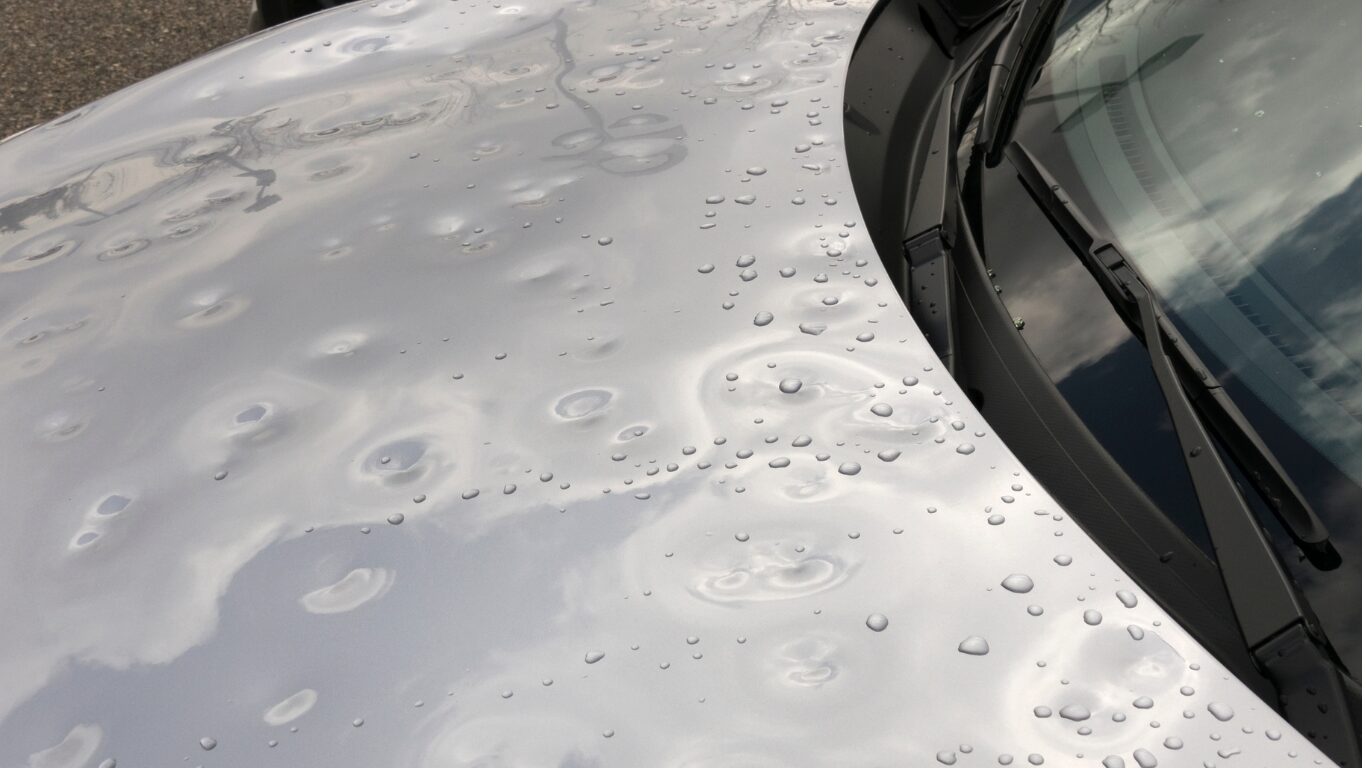
Where Most Drivers Go Wrong
A hailstorm doesn’t ask permission before it arrives, but the claims process that follows absolutely does have rules. Missing a reporting deadline, submitting the wrong documentation, or not knowing you can request your own repairer instead of the insurer’s default option can cost you weeks of delay or a smaller payout than you’re entitled to.
Gauteng sees enough hail activity between October and March that most insurers have a defined process for exactly this scenario. Knowing that process before you need it means you spend your energy getting the car fixed, not figuring out who to call next.
What You’ll Need Before You Start
Before you begin the claims process, it helps to have a few things ready. You’ll need your policy document or policy number along with your insurer’s claims contact details, clear photos of every affected panel taken in daylight from multiple angles, your vehicle’s registration and VIN, and your excess amount checked against your policy wording. Keeping a simple written log, whether on paper or in a notes app, of every reference number and call you make will save you considerable frustration later in the process.
Reporting the Claim Within Your Policy’s Window
Most comprehensive policies in South Africa require hail damage to be reported within 24 to 48 hours of the event, though some allow a few days longer. Call your insurer’s claims line or use their app to log the claim as soon as you can, even if you haven’t yet had the car properly assessed. A common mistake here is waiting until you’ve gathered every detail before reporting. It’s better to report first and add details afterward, since most insurers let you update a claim once it’s open.
Insurers sometimes ask for proof that a hailstorm actually occurred in your area on the date you’re claiming for, particularly if the claim is contested or unusually large. News reports, weather service records, or even a quick search confirming a storm hit your suburb that day can support your claim. This step matters more than people expect, especially for claims submitted a few days after the event.
Submitting Photos and Understanding the Assessment
Send clear photos of every damaged panel, roof, bonnet, boot lid, and any cracked glass, along with your registration and VIN. Some insurers can process straightforward hail claims from photos alone, while others will always send an assessor for anything beyond minor damage.
A common mistake is submitting only the worst-looking panel, when insurers actually want the full picture to determine the total scope of the claim. Depending on your insurer and the extent of the damage, either a physical assessor will inspect your vehicle in person, or the claim will be handled remotely from your photos.
If an assessor is sent, they’ll examine each panel, check for damage you may not have noticed such as bent condenser fins or cracked trim, and compile a report that becomes the basis for your payout or repair authorisation. It’s worth asking upfront which route your claim will follow so you know what to expect next.
Choosing Your Own Repairer
This is the step most South African drivers get wrong. Many policies allow you to select your own repair centre rather than being limited to the insurer’s approved panel, though some policies do restrict you to a specific list.
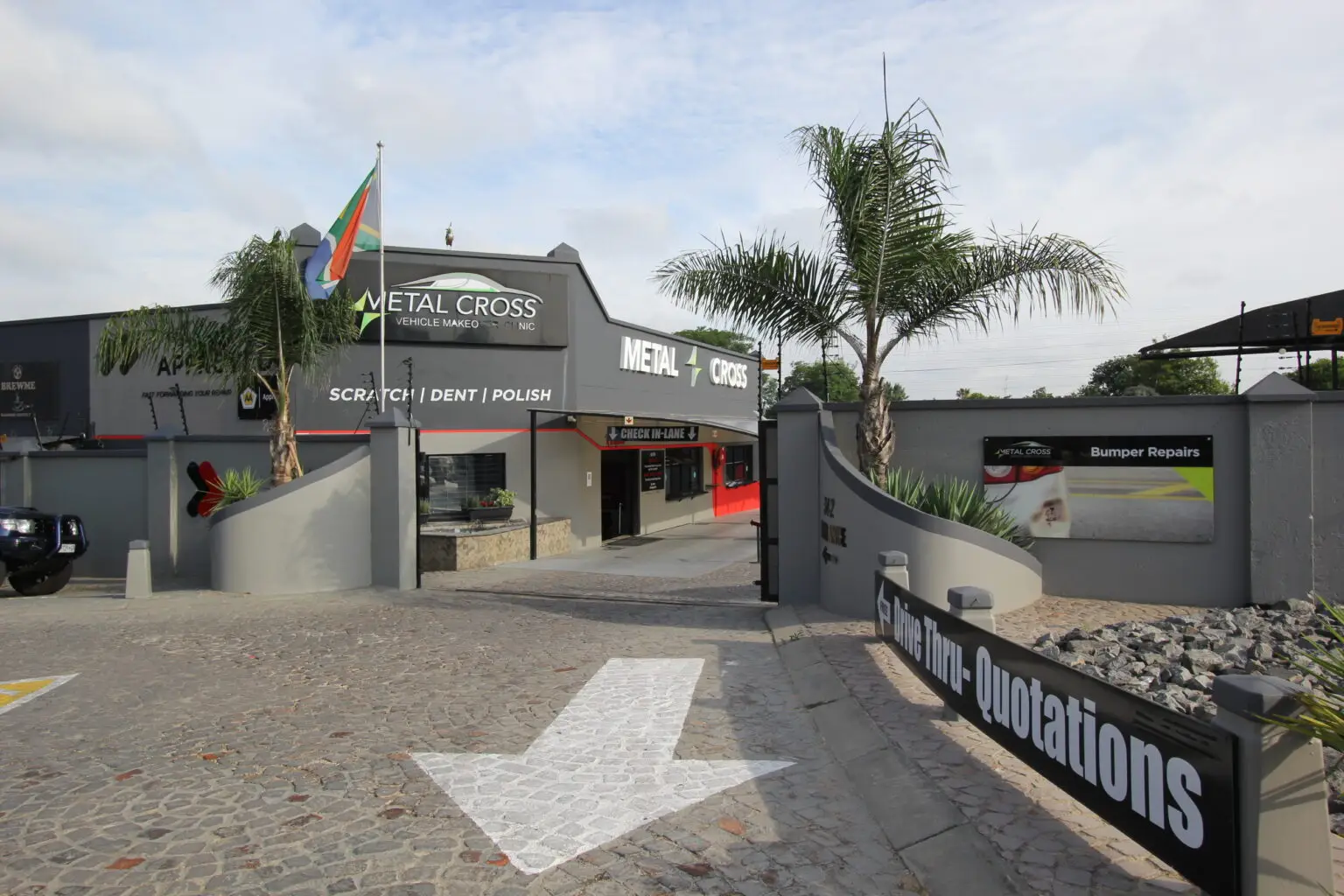
Confirm this before you agree to anything, because it affects where your car goes and how much say you have in the outcome. If your policy allows it, you can request a workshop like Metalcross in Fourways rather than accepting whichever name the insurer suggests first.
Understanding Your Excess Before You Authorise Anything
Your excess is the amount you pay regardless of the total claim value, and it’s worth confirming this figure before work begins. For a single panel with light hail damage, the repair cost might sit close to your excess, making a cash repair the smarter option. For a car with dents across the roof, bonnet, and boot lid, the total repair cost will almost always exceed the excess by a wide margin, making the insurance route the clear choice. A common mistake is assuming the claim is automatically worth pursuing without doing this comparison first.
Authorisation and Tracking the Repair
Once the assessor’s report is in and the scope of work is agreed, your insurer will issue written authorisation for the repair to proceed. Make sure the repair centre has this authorisation in hand before any work begins, particularly if you’re the one liaising between the insurer and the workshop. This protects you from disputes later about what was actually approved.
Once the car is with the repairer, ask for an expected completion date and confirm whether the insurer requires a final sign-off before you collect the vehicle. Some insurers close the claim automatically once the repairer confirms completion, while others want photographic proof of the finished work first. Knowing which applies to your claim avoids a confusing gap between the repair being done and the claim actually being closed.
When Things Don’t Go Smoothly
If your insurer is taking too long to respond, follow up by email rather than phone so you have a written record, and always reference your claim number. If a week passes with no update, ask specifically for the assessor’s name and direct contact.
If your insurer wants to write off the car for hail damage, know that write-offs are more common on older vehicles because the claim value approaches the vehicle’s assessed worth. If the panels are dentable rather than structurally compromised, get an independent repair quote and challenge the write-off decision with that quote in hand.
If your excess is close to the total repair cost, paying cash for the repair and not claiming at all may leave you better off overall, since it avoids any impact on your no-claim bonus or renewal premium.
If the repairer says the damage is more extensive than the original quote, this can happen once the panels are properly inspected in the workshop. Ask for photos of the additional damage and have the repairer submit an updated estimate to your insurer rather than proceeding on the original authorisation alone.
If your claim was declined entirely, ask for the specific reason in writing. Common reasons include late reporting, a lapsed policy, or damage the insurer attributes to a cause other than hail. If you believe the decision is wrong, you can escalate through the insurer’s internal dispute process or the short-term insurance ombudsman.
Get Your Hail Damage Sorted With Metalcross
The part of a hail claim that trips up the most drivers isn’t the damage itself, it’s the paperwork trail. A claim with a clear photo record, a logged reference number for every call, and a repair quote that matches what the insurer authorised moves through the system far faster than one built on memory and phone calls nobody wrote down.
Metalcross Vehicle Makeover Clinic in Fourways, Johannesburg can provide the written repair estimate your insurer needs to process the claim, and will work with you through the assessment and authorisation process so your car gets back on the road as quickly as possible.
Visit www.metalcross.co.za to get a quote or reach out via our contact page today.
Frequently Asked Questions
How long do I have to report hail damage to my insurer in South Africa?
Most comprehensive policies require reporting within 24 to 48 hours of the storm, though some allow a few extra days. Check your specific policy wording, and when in doubt, report the claim immediately and add details afterward.
Can I choose my own panel beater for a hail damage claim?
In many cases, yes. Some policies allow you to select your own repairer, while others restrict you to an approved list. Confirm this with your insurer before agreeing to any repair centre, since it affects both convenience and your confidence in the workshop doing the work.
Is it worth claiming for hail damage if my excess is high?
It depends on how the excess compares to the total repair cost. For a single dent or two, a cash repair may work out cheaper. For widespread damage across multiple panels, the repair cost will usually far exceed the excess, making the claim worthwhile.
What happens if my insurer wants to write off my car after hail damage?
Write-offs happen when the assessed repair cost approaches the vehicle’s value, which is more common on older cars. If the damage is genuinely limited to dentable panels, an independent repair quote can support a challenge to that decision.