
What Counts as “Small Damage” in Panel Beating? A Guide to Repair Categories
“It’s just small damage” is one of the most common phrases customers use when booking a panel beater, and it means something different every time.
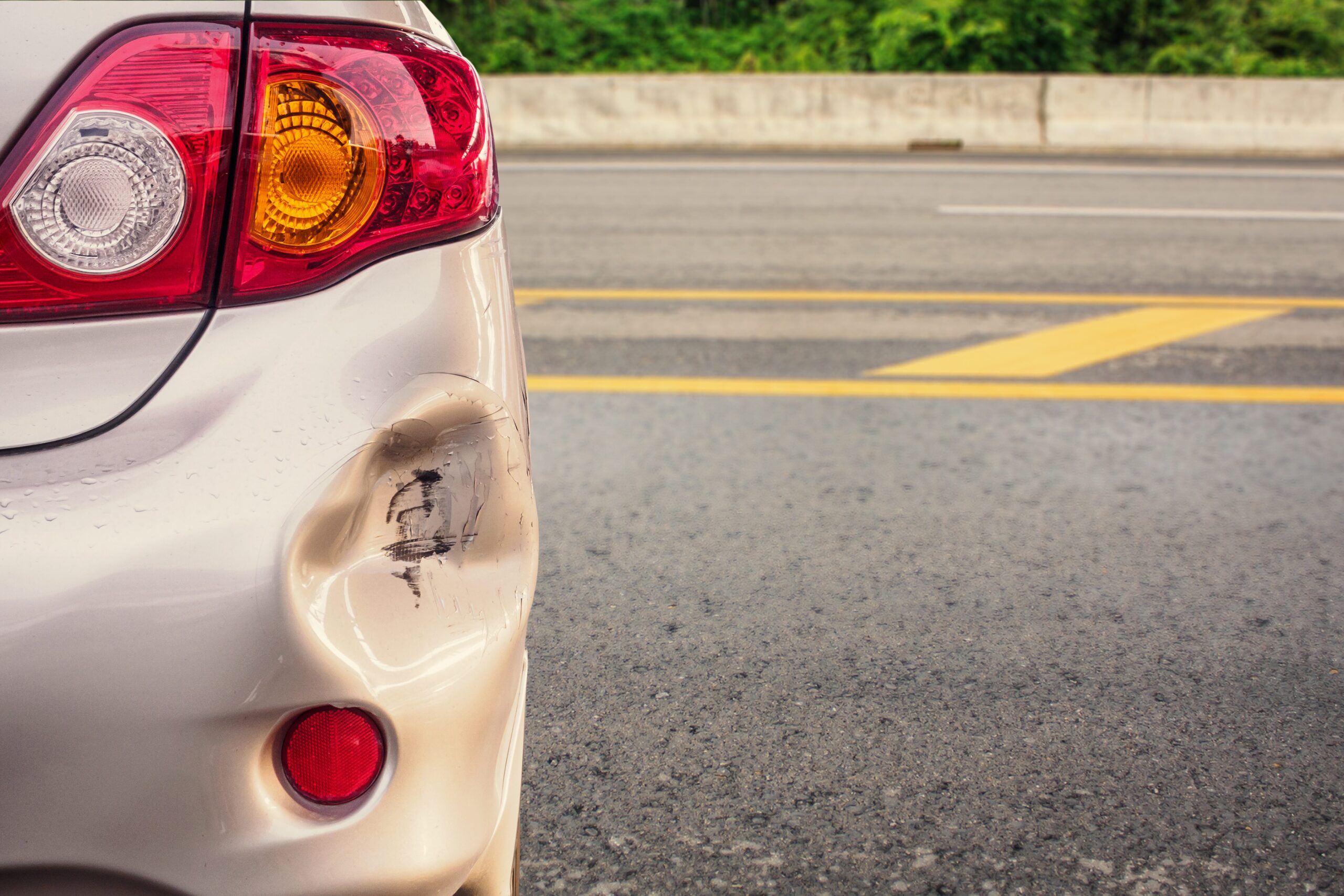
A light scuff, a single dent, and damage spread across three panels can all feel “small” to the person looking at their own car, but workshops classify these very differently, and that classification is what actually determines your cost and turnaround, not how the damage looks to you.
Where the Real Confusion Comes From
Two customers can both describe their damage as “a small dent” and receive quotes that differ by several thousand rand, and neither quote is necessarily wrong.
The confusion usually comes down to the fact that “small” is a subjective, visual description, while a workshop’s classification is based on what the repair actually requires.
A light scuff that only affected the clear coat and a dent that cracked through to bare metal can look almost identical to an untrained eye, but they belong to completely different repair categories with completely different price points.
Understanding these categories before you get a quote means you’ll know what questions to ask, what a fair price should look like, and why a quote that seems high for “just a small dent” might actually be accurate once the classification is explained.
What You’ll Need Before You Get a Quote
Before calling around, get clear photos of the damage from a few angles, taken in daylight, and form a basic sense of whether the paint is broken or still intact over the damage.
It also helps to know whether the damage is contained to one panel or spread across more than one. Ideally, work with a workshop that will explain, not just quote, which category your repair falls into.
Category One: Light Cosmetic Damage
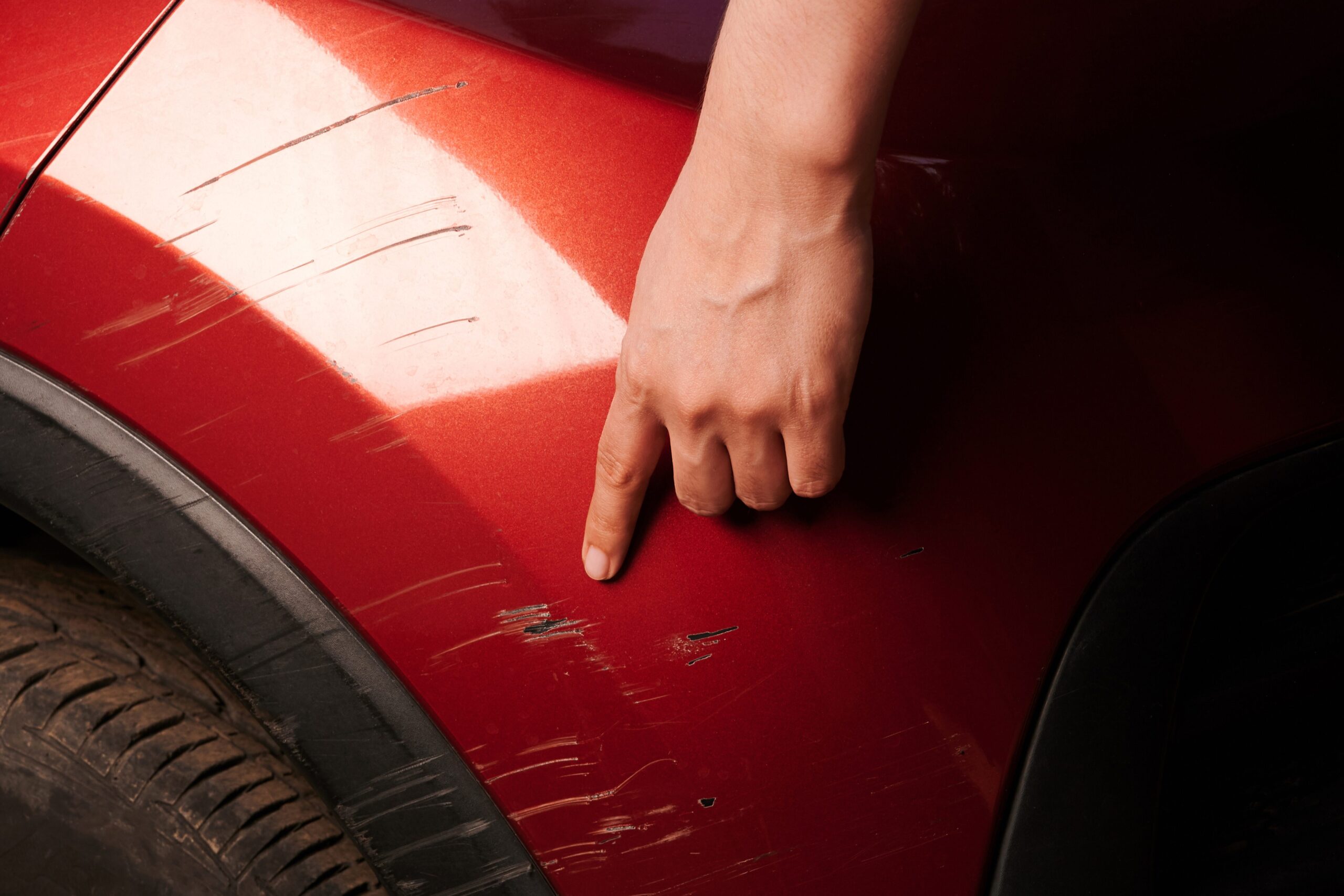
This is the category most people picture when they say “small damage.” It covers scuffs, light scratches that haven’t broken through the clear coat, and very shallow dents where the paint is completely intact. This category is the cheapest and fastest to resolve, sometimes handled through polishing or a light touch-up rather than a full repair process. The common mistake here is assuming every small-looking mark falls into this category. A scratch that looks light can still have gone through to the base coat, which moves it into a different bracket entirely.
Category Two: Single Panel Repair
This category covers damage that’s contained to one panel, whether it’s a door, a bumper, a wing, or a bonnet, but where the paint has been broken, the metal has dented enough to need reshaping, or both. This is the most common category workshops deal with day to day. It typically involves some combination of paintless dent removal, filler work, sanding, priming, and painting, all confined to that single panel. Cost here depends heavily on whether filler and full repainting are needed or whether the panel can be handled without them.
Category Three: Multi-Panel Repair
Damage that spans two or more adjacent panels, whether from a wider impact, hail, or an accident that affected more than one area, moves into this category. The jump in cost here isn’t just about doing more of the same work twice. Colour matching and blending across multiple panels requires more careful preparation and testing than a single panel, since any inconsistency becomes far more visible when panels sit right next to each other. This category also usually takes longer, since more surface area needs to go through the full sanding, priming, and painting sequence.
Category Four: Structural or Panel Replacement Territory
Beyond these three, there’s a fourth bracket that’s worth knowing about even though it isn’t strictly “small damage”: damage severe enough that a panel can’t be reshaped and needs to be replaced entirely, or where underlying structural components have been affected. This isn’t the focus of this guide, but it’s useful to know it exists, because a workshop that quickly escalates your quote to this level after inspection isn’t necessarily overcharging, they may have found something the surface damage didn’t reveal.
How the Classification Actually Gets Decided
The first and most important checkpoint is whether the paint is broken. Intact paint over a dent almost always keeps the repair in the cheaper light cosmetic or paintless dent removal territory. Broken paint, even over a small area, immediately opens the door to filler, sanding, and repainting, which shifts the classification upward regardless of how small the visible damage looks.
The next check is how far the metal has stretched. A dent that hasn’t stretched the metal significantly can often be pulled back into shape without filler. Once the metal has stretched past a certain point, filler becomes necessary to restore a smooth surface, which adds both material and labour time to the job.
A technician will also check how many panels are affected. Even light damage becomes a bigger job once it crosses onto a second panel, particularly if paint blending is required to keep the colour consistent across both. This is often the point where customers are surprised by a quote, since the damage might still look relatively minor overall, but the panel count has pushed it into a different pricing bracket.
Finally, a technician checks for damage you might not have noticed. A scuff on a bumper can sometimes hide a cracked mounting bracket or a misaligned panel gap that only becomes clear on closer inspection. This is why an assessment matters more than a phone description, the classification isn’t just about what’s visible, it’s about what the technician finds once they actually look.
When Things Don’t Look Straightforward
If your quote seems high for what looks like a small mark, ask the workshop directly which category they’ve classified the damage under and why. A reputable panel beater will explain whether the paint was broken, the metal stretched, or additional panels affected, rather than just giving you a number.
If two workshops gave you very different quotes for the same damage, this can happen when one workshop is quoting for light cosmetic work and another has correctly identified that the paint is broken or the metal has stretched. Ask both to explain their classification so you’re comparing like for like.
If the classification changed once your car was actually inspected in person, this is common and usually genuine, since some damage genuinely can’t be assessed accurately from photos alone. Ask for photos of what they found that changed the classification before agreeing to the new price.
If you’re not sure whether your damage is single panel or multi-panel, and it crosses a visible seam or gap between two panels, such as where a door meets a wing, it’s very likely multi-panel work, even if it looks like one continuous mark.
If a workshop quoted a much lower price without inspecting the car first, treat it as a starting point rather than a fixed price, since the real classification only happens once someone has actually looked at the damage.
Get Your Damage Properly Classified With Metalcross
The word “small” describes what damage looks like, not what it takes to fix. A scratch the length of your finger and a dent the size of a coin can sit in completely different repair categories depending on what’s happening beneath the surface, which is exactly why an honest assessment, not a glance, is what should set your price.
Metalcross Vehicle Makeover Clinic in Fourways, Johannesburg can send photos of your damage and get an honest assessment of which repair category it actually falls into.
Visit www.metalcross.co.za to get a quote or reach out via our contact page today.
Metalcross Vehicle Makeover Clinic in Fourways, Johannesburg has the experience and expertise to restore your vehicle’s paintwork correctly the first time.
Frequently Asked Questions
What is the cheapest category of panel beating damage?
Light cosmetic damage, where the paint remains intact and the mark is limited to a scuff or very shallow surface scratch, is generally the cheapest to resolve since it often doesn’t require filler or a full repaint.
Why did my small dent get classified as a bigger repair?
This usually happens when the paint has cracked or the metal has stretched more than it appeared to from the outside. Both of these push a dent out of the lightest category and into filler and paint work, regardless of how small it looks.
Does a scratch on two panels always cost more than the same length scratch on one panel?
In most cases, yes. Once a scratch crosses onto a second panel, colour blending across both becomes necessary to avoid a visible inconsistency, which adds time and cost beyond simply doubling the repair area.
Can I tell which category my damage falls into myself?
You can get a reasonable idea by checking whether the paint is broken and how many panels are affected, but confirming whether the metal has stretched, and by how much, is difficult without training. A proper assessment is the only reliable way to know for certain…