
Bumper Repair in Fourways: The Essential Guide to Damaged Sensors
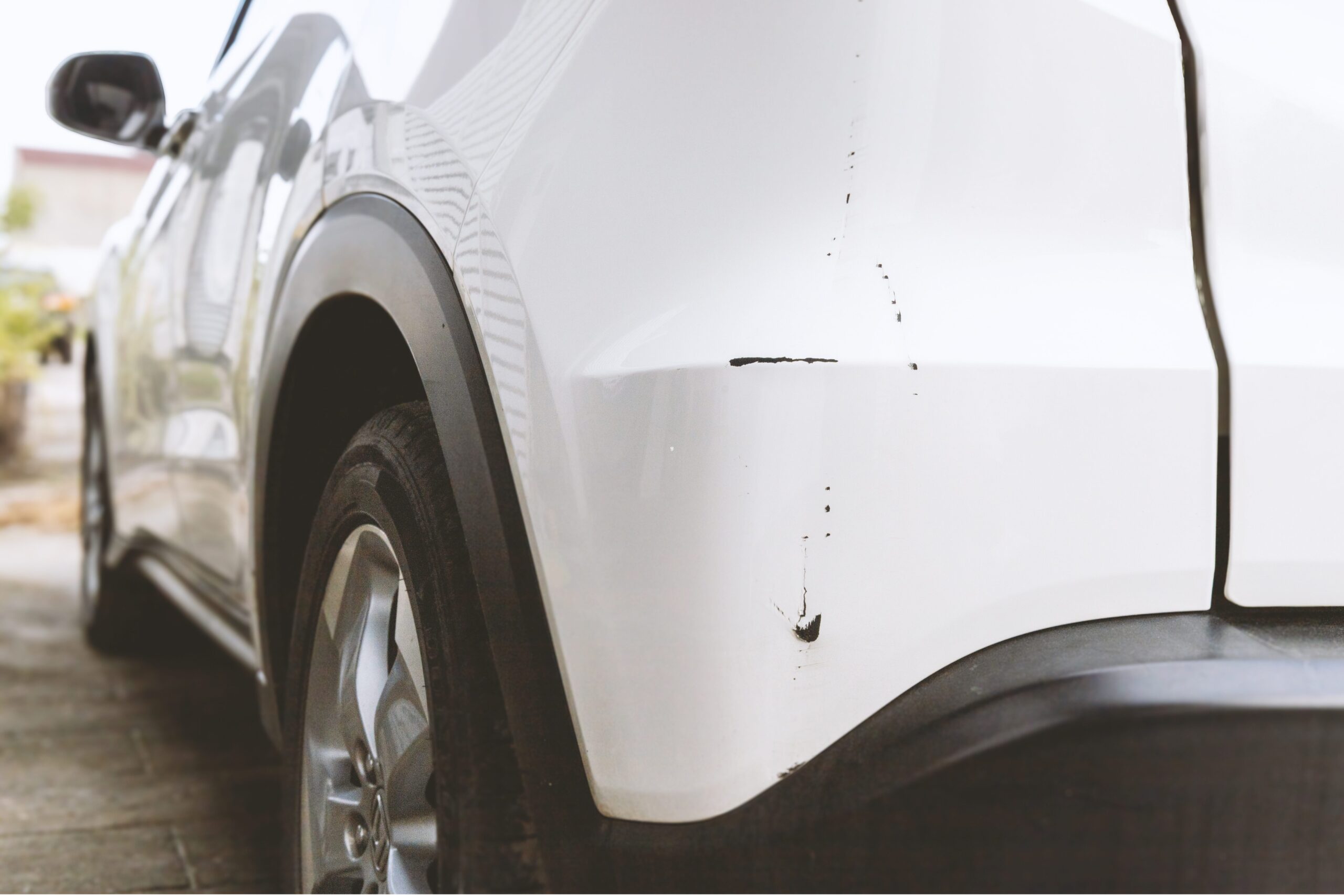
You are reversing out of a tight visitor bay in a Fourways estate, the sensors start beeping, and before you can stop there is a soft thud against a bollard or a low wall.
The damage looks minor, perhaps a scuff or a small crack near the corner. Then you get back in and notice the real problem. The parking sensors beep constantly with nothing behind you, or the reversing camera image now sits at a slight angle.
This is one of the most common situations with modern vehicles, and it shows how much bumpers have changed. A bumper used to be a painted cover that absorbed small knocks.
Today it is also a housing for sensors, cameras and, on many vehicles, radar units that support driver assistance systems. That changes what a proper bumper repair involves, and it is worth understanding before you decide how to handle the damage.
Why Bumper Repair Is Different on Modern Vehicles
Across South Africa, and especially in northern Johannesburg suburbs such as Fourways, Sandton and Bryanston, newer SUVs and hatchbacks make up a large share of the vehicles on the road. Many come standard with parking sensors front and rear and a reversing camera, while higher specifications add blind spot monitoring or adaptive cruise control.
Parking sensors sit in small round holes in the bumper cover, held in place by brackets bonded to the inside of the bumper. They work by sending out sound pulses and measuring how long the echo takes to return. Reversing cameras are usually mounted near the boot lid handle, but on some models they sit in the bumper itself. Radar units for blind spot monitoring are often hidden behind the rear bumper corners, while front radar for adaptive cruise control commonly sits behind the front bumper or grille.
All of these components rely on being positioned at a precise angle. When a bumper takes a knock, the cover can flex, the internal brackets can shift, and a sensor that was facing straight back may now point slightly towards the ground. The bumper might look almost fine, but the systems inside it are no longer reading their surroundings correctly.
Signs Your Bumper Damage Has Affected the Electronics
Some symptoms are obvious, while others take a few days to show. Common signs include sensors that beep when nothing is behind the vehicle, sensors that stay silent as you approach an obstacle, a camera image that sits skew or flickers, a parking assistance or blind spot warning on the dashboard, and a sensor that sits visibly recessed or protrudes from the bumper surface.
Intermittent faults deserve attention too. Sensor wiring usually runs along the inside of the bumper cover, and a knock that pushes the cover inwards can stretch or pinch it. A strained connector may work on a dry day and fail after rain, or work until you drive over a speed hump.
What a Proper Bumper Repair Involves When Sensors Are Present
A professional bumper repair on a sensor-equipped vehicle starts with removing the bumper cover rather than working on it while it is still fitted. This allows the technician to inspect the sensor brackets, the wiring harness, the impact absorber and the mounting points that hold the bumper in position. Many of the problems that cause sensor faults are only visible from behind.
The sensors and camera are then carefully removed so they are not damaged during the work. Cracks in the plastic are repaired, broken mounting tabs are rebuilt, and bent brackets are corrected or replaced. Loose sensor brackets are rebonded at the correct position, which matters because a bracket fitted even a few degrees off can cause false readings.
Next comes preparation and painting. Plastic bumpers need flexible primers and paint additives so the finish can cope with the cover flexing slightly without cracking. The sensors are then refitted, the wiring is checked, and the bumper is reinstalled with even gaps to the surrounding panels.
The final step is testing. Every sensor is checked to confirm it detects obstacles at the correct distances, the camera image and guidelines are checked for alignment, and the dashboard is checked for warnings. On vehicles with radar-based systems, some manufacturers require calibration after a bumper has been removed or repaired, so this should form part of the plan from the start.
Why Paint Thickness Over a Sensor Matters
This is one of the less obvious parts of bumper repair, and it is where shortcuts often cause problems. Parking sensors are usually painted to match the bumper so they blend in. However, they need to vibrate to send and receive their signal, and too much paint on the sensor face changes how they behave.
Manufacturers specify how much paint a sensor can carry. A sensor painted with several heavy coats, or repainted over its old paint, can become less sensitive or give false readings. The same principle applies to radar zones behind the bumper corners, where thick filler or heavy paint layers can interfere with the signal.
An experienced team will paint sensors separately with controlled, light coats and avoid building up filler in radar zones. It is a small detail that makes the difference between a bumper that looks right and one that looks right and works correctly.
Choosing Bumper Repair in Fourways for Sensor-Equipped Vehicles
Many drivers in Fourways, Douglasdale, Randburg and Lonehill are tempted to leave a minor bumper scuff for later, particularly if the car still drives normally. With a sensor-equipped vehicle, that decision can be costly. A sensor that gives false warnings is easy to start ignoring, which defeats its purpose in the moments you need it most, such as reversing out of a busy shopping centre bay or backing out of a driveway with children nearby.
There is also the cost to consider. A bumper repair that includes correctly refitting existing sensors is usually far more affordable than replacing sensors damaged by a second knock or a rushed repair. Replacement sensors, cameras and radar units can be expensive, and parts for some newer models take time to arrive in South Africa.
At Metalcross Vehicle Makeover Clinic in Fourways, sensors and electronics are treated as part of the bumper repair rather than an afterthought. With over 40 years of experience across all vehicle makes and models, the team understands how modern bumpers are built and what it takes to restore both the finish and the function.
When Things Do Not Go Smoothly
Occasionally, a sensor that seemed undamaged turns out to have an internal fault once the bumper has been repaired, or a fault appears only after a few days of use. This does not necessarily mean the repair was done incorrectly, since an impact can damage a sensor internally without any visible sign on the outside.
If this happens, return to the repair centre and explain exactly when the fault occurs. A reputable centre will test the sensor and advise whether it needs replacing. Metalcross backs its work with a two-year warranty on workmanship and a three-year warranty on paintwork, giving you peace of mind if something does not behave as it should after collection.
Restore Your Bumper and Its Technology With Metalcross
A knock to a modern bumper is rarely just a paint issue. When sensors, cameras or radar are involved, a proper bumper repair restores both how your vehicle looks and how its safety systems perform.
Metalcross Vehicle Makeover Clinic in Fourways, Johannesburg, handles bumper repairs on sensor-equipped vehicles of all makes and models.
Visit www.metalcross.co.za to get a quote or reach out via our contact page today.
Frequently Asked Questions
Can a bumper be repaired if the area around a parking sensor is cracked?
In many cases, yes. Cracks around a sensor hole can usually be repaired from behind and the sensor bracket rebonded in the correct position. If the plastic around the hole is badly broken or distorted, replacing the bumper cover may give a more reliable result. A professional assessment will confirm which option applies.
Will my parking sensors work properly after a bumper repair?
They should, provided the sensors were not damaged internally and the repair was done correctly, with brackets refitted at the right angle and paint kept within the manufacturer’s limits. Every sensor should be tested before the vehicle is returned to you.
Do I need to recalibrate my camera or radar after a bumper repair?
It depends on your vehicle. Some cameras and radar-based systems, such as blind spot monitoring, need calibration after the bumper has been removed or repaired. Your repair centre should confirm the requirement for your make and model before work begins.
How long does a bumper repair with sensors take at Metalcross?
If parts or calibration are required, the team will give you a clear timeline during the initial assessment.