
Hit by an Uninsured Driver? Your Next Steps for Autobody Repair
You are waiting at a robot on William Nicol Drive near Fourways when the car behind you rolls into your rear bumper. You both pull over, exchange details, and then the other driver tells you something that changes the conversation: they do not have insurance. Suddenly, the question is not only how to get your car fixed, but who is going to pay for it.
This is a far more common situation in South Africa than most drivers expect. Industry estimates consistently suggest that a large proportion of vehicles on South African roads are uninsured. If you are involved in an accident, there is a real chance the other driver will not have cover. Knowing what to do in the hours and days that follow puts you in a much stronger position to get proper autobody repair done and recover the cost.
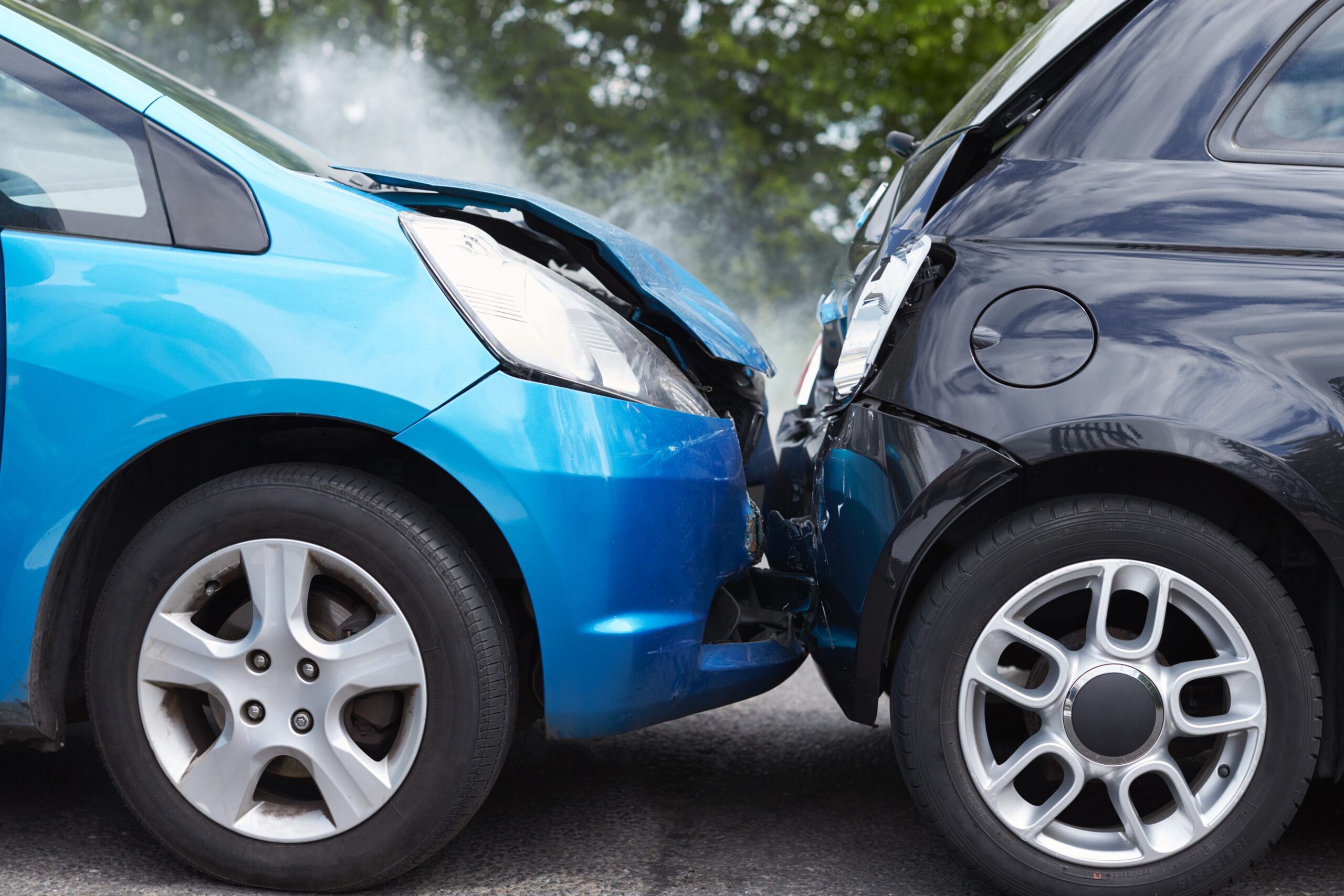
Why Autobody Repair Gets Complicated With an Uninsured Driver
When both drivers are insured, the insurers usually sort out the costs between themselves. When the other driver is uninsured, that safety net falls away, and the responsibility for recovering your money often sits with you or your own insurer.
Many drivers also assume the Road Accident Fund will help. The fund deals with claims related to injuries rather than vehicle damage, so the cost of repairing your car is usually recovered from the driver at fault, claimed through your own insurance, or paid privately.
The steps you take right after the accident play a big role in which of these options remains open to you, and how strong your case will be.
What to Collect at the Scene
Your first priority is safety. Once everyone is safe and the vehicles are out of the way of traffic, start gathering information. The other driver’s full name, ID number, contact number and residential address are essential. Ask to see their driver’s licence and take a photo of it if they allow you to. Note the vehicle’s registration number, make, model and colour.
Ask whether they own the vehicle. If it belongs to someone else, such as a family member or an employer, get the owner’s details too.
Take clear photographs of both vehicles, the damage from several angles, the road layout, any traffic signals, and skid marks or debris. If there are witnesses, ask for their names and numbers. A witness who confirms what happened can make a significant difference later.
Finally, report the accident at your nearest police station as soon as possible. You will receive an accident report number, which your insurer will ask for when you submit a claim.
Getting an Itemised Quote for Your Autobody Repair
Once the dust has settled, the next step is a professional assessment and a written quote. This document becomes the backbone of any claim against the other driver, so it needs to be detailed and accurate.
A proper itemised quote breaks down the cost of parts, labour, paint and materials, and lists every panel and component that needs attention. A vague, one-line figure is easy for the other party to dispute. A clear breakdown shows exactly what the damage is and why the repair costs what it does.
A thorough assessment matters here for another reason. Damage from even a low-speed impact can extend behind the bumper to brackets, impact absorbers and mounting points. If the quote only covers what is visible, you may struggle to recover the extra cost of hidden damage discovered later.
At Metalcross Vehicle Makeover Clinic in Fourways, autobody repair quotes are transparent and itemised, and the team can usually provide a written quote quickly once the vehicle has been assessed.
The Letter of Demand Route
If the other driver accepts responsibility, the simplest outcome is that they pay for the repair directly, either upfront or in agreed instalments. Put any agreement in writing, signed by both of you, including the amount and payment dates.
If they do not pay voluntarily, a common next step is a letter of demand. This is a formal letter that sets out what happened, the amount owed based on your repair quote, and a date by which payment should be made. Some insurers assist with this as part of their recovery process, and an attorney can advise on the best route if the matter goes further.
Whichever route you take, it is best to act promptly rather than letting months pass. The sooner the process starts, the fresher the details are and the easier it is to support your claim.
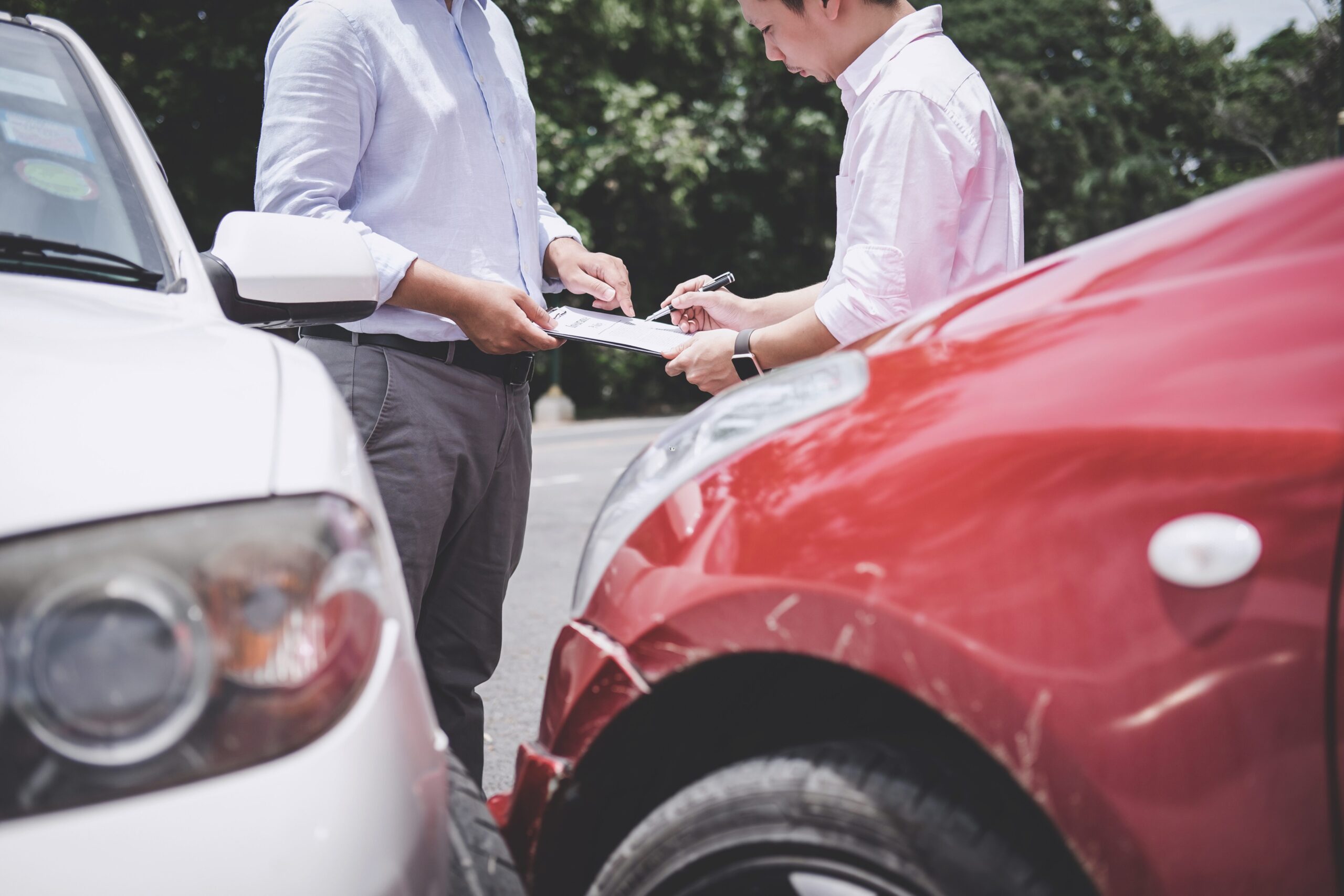
Claiming on Your Own Policy or Paying Privately
If you have comprehensive cover, claiming through your own insurer is often the quickest way to get your vehicle repaired. You pay your excess, the insurer authorises the repair, and in many cases the insurer then tries to recover its costs from the uninsured driver. Some insurers refund your excess if that recovery succeeds, so ask about this when you report the claim.
The trade-off is that a claim may affect your no-claim bonus or future premiums, depending on your policy. For a minor repair that costs only slightly more than your excess, some drivers prefer to pay privately and pursue the other driver themselves.
If you have no insurance at all, paying privately and recovering the cost through a letter of demand is likely your main route. In this case, the itemised quote, photographs and police report become even more important.
When Things Do Not Go Smoothly
Sometimes the other driver stops answering their phone or simply cannot afford to pay. This is frustrating, but it is not unusual. Keep a written record of every conversation, message and agreement, and share any concerns with your insurer, who can guide you on the next steps.
Try not to delay your autobody repair while waiting for payment. A damaged bumper, a loose panel or broken lights can affect your vehicle’s safety and roadworthiness, and unrepaired damage tends to get worse over time. Rust can develop where paint has cracked, and a small problem can grow into a larger bill. If you claim through your own insurer, the repair can go ahead while the recovery process continues separately.
Getting Your Car Repaired in Fourways
For drivers in Fourways, Douglasdale, Bryanston, Randburg and Sandton, having a trusted repair centre nearby makes a stressful situation far easier. Metalcross has over 40 years of experience in autobody repair across all vehicle makes and models, and offers a two-year warranty on workmanship and a three-year warranty on paintwork. The team works with insurance processes regularly and can help you understand what documentation your claim needs.
Get Your Car Back on the Road With Metalcross
Being hit by an uninsured driver is stressful, but it does not have to leave you stuck with a damaged vehicle. Collecting the right details, getting a clear itemised quote and choosing the right route forward puts you back in control.
Metalcross Vehicle Makeover Clinic in Fourways, Johannesburg, provides transparent quotes and quality autobody repair for vehicles of all makes and models.
Visit www.metalcross.co.za to get a quote or reach out via our contact page today.
Frequently Asked Questions
Does the Road Accident Fund pay for damage to my car?
The Road Accident Fund deals with claims related to injuries, not vehicle damage. The cost of repairing your car is usually recovered from the driver at fault, claimed through your own insurance, or paid privately.
Can I use my own insurance if the other driver was uninsured?
Yes, if you have comprehensive cover. You pay your excess and your insurer authorises the autobody repair. Many insurers then try to recover the cost from the at-fault driver, and some refund your excess if that recovery is successful.
What do I need to claim the repair cost from the other driver?
You will need their full details, photographs of the scene and damage, witness details if available, a police accident report number, and a detailed itemised quote from a reputable repair centre.
Can Metalcross provide a quote to support my claim?
Yes. Metalcross provides transparent, itemised quotes that clearly set out the parts, labour and paint required, giving you a reliable document to support a claim against the other driver or through your insurer.