
Stone Chip Repair in Douglasdale: 5 Warning Signs to Check
A chip in your windscreen or a small nick in your bonnet paint rarely happens on a smooth, well-maintained road. More often, it’s the stretch of gravel behind an estate, a construction detour, or a section of road still waiting on resurfacing that leaves its mark.
For many drivers, stone chip repair in Douglasdale becomes necessary simply because mixed tar and gravel routes are part of the daily commute.

Keyword in a subheading. Rename “When a Chip Is Still an Easy Fix” to:
A single stone kicked up by a passing vehicle doesn’t look like much when it happens. There’s a small tap against the bonnet or windscreen, sometimes barely noticeable, and the car keeps moving without any obvious sign of a problem. What’s easy to underestimate is how often this happens over weeks and months of regular driving on the same mixed-surface routes, and how each of these small impacts adds up rather than existing in isolation.
Loose stones and gravel move differently to how they do on a fully tarred road. Tyres pick up smaller stones and fling them backward and sideways at higher speed than most drivers expect, especially when moving from a gravel section back onto tar where speed increases quickly. This is particularly relevant for any driver regularly using semi-paved access roads, estate entrances, or shortcuts that haven’t been fully resurfaced.
Where This Damage Actually Shows Up
Stone chips don’t distribute themselves evenly across a vehicle. The lower front bumper, the leading edge of the bonnet, and the windscreen take the brunt of this kind of impact, since they face directly into whatever a vehicle in front kicks up. Side mirrors and the leading edges of front wings are also common spots, particularly for anyone following closely behind another vehicle on a gravel stretch.
A stone chip on the bonnet or bumper typically looks like a small, isolated nick with the paint missing down to primer or bare metal in a tiny spot, sometimes no bigger than a pinhead. A stone chip on the windscreen looks slightly different, usually a small circular crack or a tiny cone-shaped impression in the glass, sometimes with a few short lines radiating outward from the centre point.
Why These Small Marks Don’t Stay Small
A stone chip that’s left unaddressed doesn’t necessarily get worse overnight, but it does create the conditions for bigger problems over time. On paintwork, a chip that has gone through to bare metal exposes that spot to moisture every time it rains. South Africa’s seasonal wet weather means that exposed metal doesn’t take long to start developing surface rust, and once rust begins, it spreads outward from the original chip rather than staying contained.
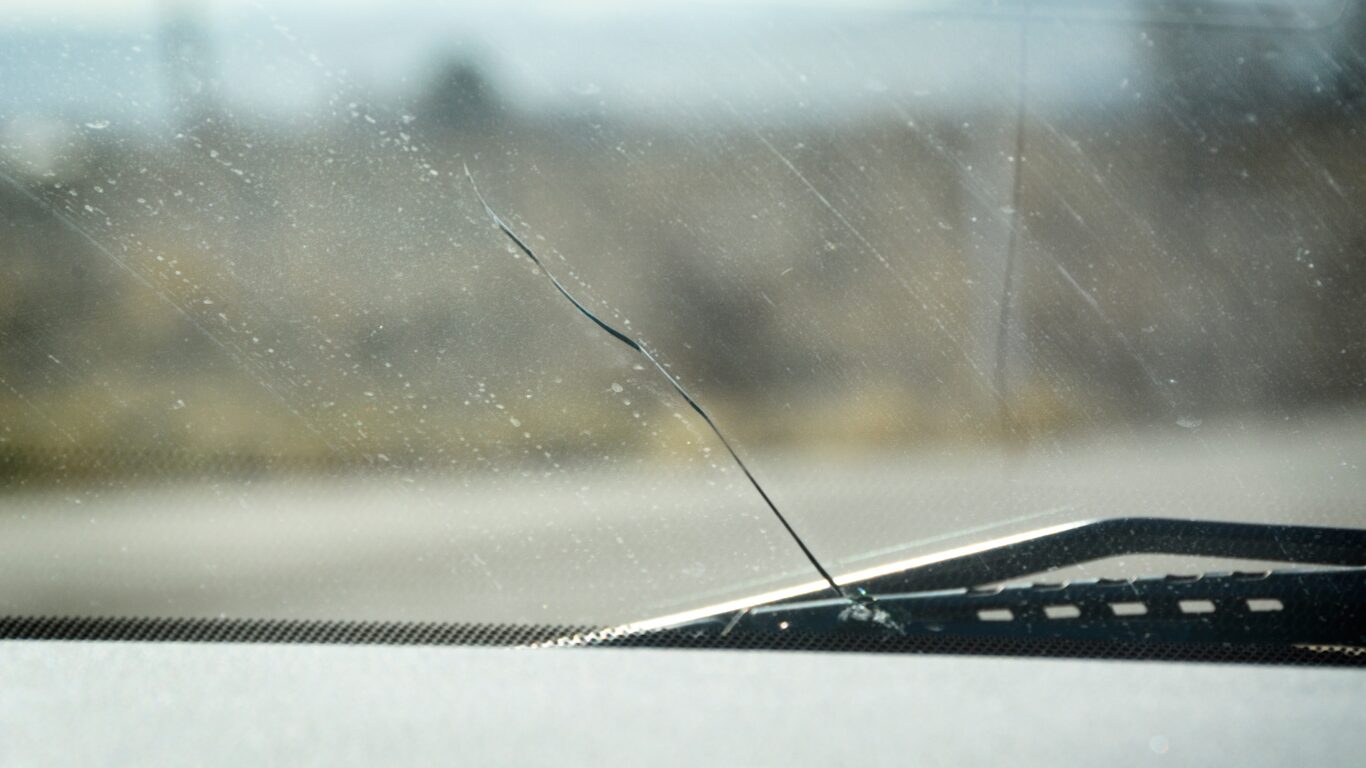
On a windscreen, the risk works differently but ends in a similarly frustrating place. A small chip under continued vibration, temperature changes between a hot day and a cool evening, or even the flex of the windscreen from normal driving can slowly spread into a crack. What started as a chip the size of a five rand coin can become a crack running most of the way across the glass within a matter of weeks, particularly once temperature swings become more extreme.
What to Check For Regularly
The most useful habit for any driver who regularly uses a mix of tarred and untarred roads is a quick visual check every few weeks rather than waiting for damage to become obvious. Walk around the front of the vehicle in daylight and look closely at the bonnet, front bumper, and the base of the windscreen, since this is where new chips tend to appear first.
Run a fingertip lightly over any small mark on the paintwork. If it catches slightly or feels like a tiny groove rather than a smooth dip, the chip has likely gone through the clear coat and possibly further, which means it’s worth having assessed sooner rather than later.
For the windscreen, check for any small circular marks, particularly ones with a faint white or silvery ring around them, since this is often the first visible sign of an impact that hasn’t yet cracked but could with time and temperature changes.
When a Chip Is Still an Easy Fix
A stone chip caught early, whether on paint or glass, is usually the cheapest and fastest type of damage to resolve. A small paint chip that hasn’t yet allowed moisture to reach bare metal can often be touched up or spot repaired without needing a full respray of the panel. A windscreen chip caught before it spreads can frequently be repaired with a resin injection rather than requiring a full windscreen replacement, which is a meaningfully cheaper and quicker process.
The window for this easier fix narrows the longer a chip is left. Once rust has set in around a paint chip, the repair now involves treating the corrosion before any paint can go back on. Once a windscreen chip has spread into a crack of any real length, resin repair is no longer suitable and full replacement becomes the only option.
Driving Habits That Help
Following at a reasonable distance behind other vehicles on gravel or semi-paved sections reduces how much loose material gets flung directly at your vehicle. This matters more on the access roads and shortcuts common in and around Douglasdale, where a mix of surfaces is often part of daily driving rather than an occasional detour.
Reducing speed slightly on gravel or loose stone sections also helps, since higher speed increases both the force and distance stones travel when kicked up by tyres. This isn’t about driving unreasonably slowly, just being aware that a gravel stretch taken at the same speed as a tarred road increases the risk of a stone reaching your bonnet or windscreen with enough force to leave a mark.
Get Chips Checked Early With Metalcross
Metalcross Vehicle Makeover Clinic in Fourways, Johannesburg offers stone chip repair in Douglasdale and the surrounding northern suburbs, assessing damage on both paintwork and glass and advising honestly on whether a quick repair will do the job or whether something more involved is needed.
Visit www.metalcross.co.za to get a quote or reach out via our contact page today.
Frequently Asked Questions
Why do stone chips happen more often on mixed tar and gravel roads?
Loose stones and gravel get kicked up by tyres more easily than on a fully tarred surface, and they travel further and with more force, particularly when a vehicle accelerates from a gravel section back onto tar. This makes routes that combine both surfaces more likely to produce this kind of damage over time.
Can a small stone chip really turn into a bigger repair?
Yes. On paintwork, an untreated chip exposes bare metal to moisture, which can lead to rust that spreads outward from the original mark. On a windscreen, temperature changes and normal driving vibration can cause a small chip to spread into a larger crack over time.
How do I know if a windscreen chip needs repair or replacement?
A small chip, generally smaller than a coin, that hasn’t developed any cracks radiating outward is usually still a candidate for resin repair. Once a crack has formed and started to spread, replacement typically becomes the more appropriate option.
Is it worth touching up a small paint chip myself?
A touch-up pen can offer some short-term protection against moisture, but it rarely matches the surrounding paint precisely and doesn’t address any damage that may already be starting beneath the chip. A proper assessment will confirm whether a professional spot repair is needed.