
Peeling Paint on Your Car? What It Means and How to Restore It
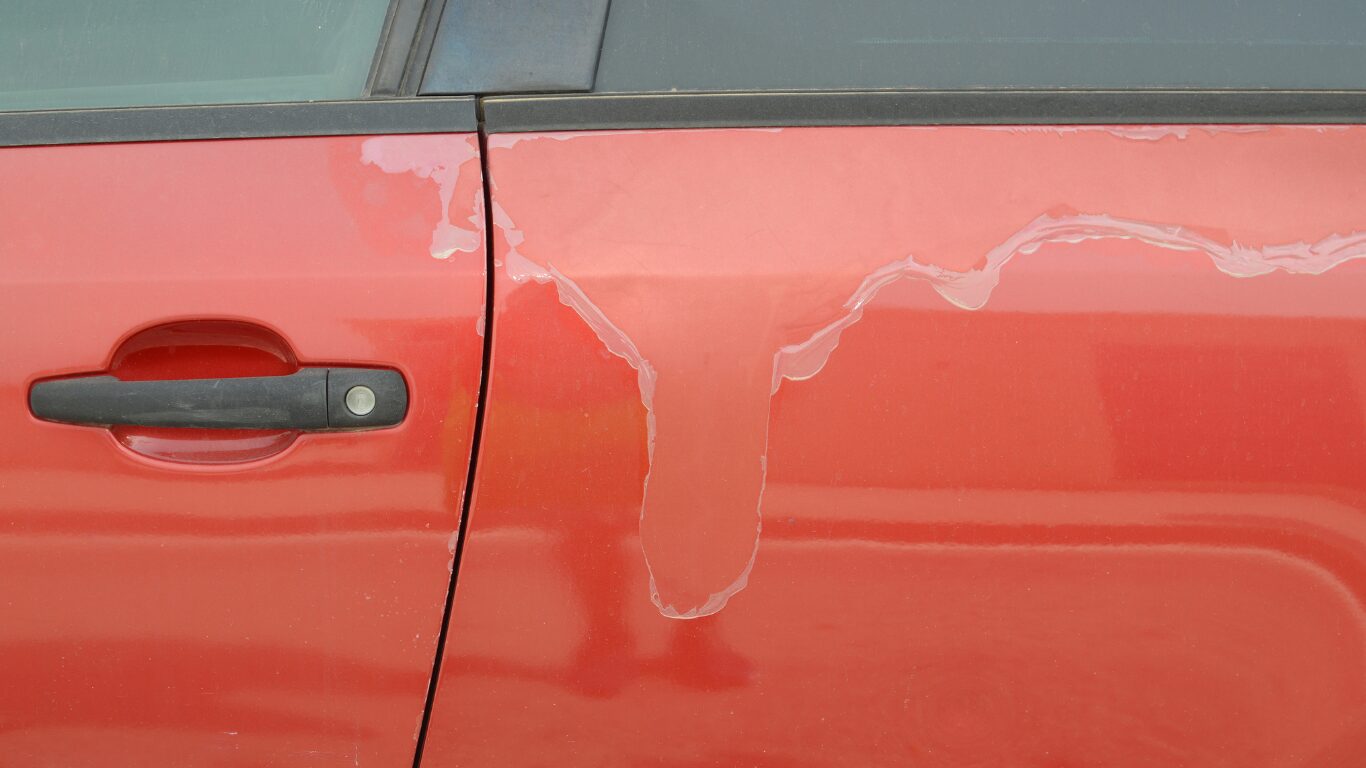
Peeling paint is one of those vehicle problems that starts small and quietly gets worse. It might begin as a tiny bubble near a panel edge, or a small section of clear coat that has lifted away from the colour beneath it. Left alone, that small area expands, the peeling spreads, and what was once a localised concern becomes a significant portion of a panel that looks genuinely neglected and costs considerably more to address than it would have at the outset.
Understanding why paint peels in the first place is the key to knowing how serious your specific situation is, what your options are for fixing it, and how to prevent it from happening again once the repair has been completed. Peeling paint is never purely cosmetic. It is a sign that something has broken down in the protective system covering your vehicle’s body, and addressing it properly requires more than a quick patch or a can of touch-up paint from a parts store.
This blog covers the main causes of peeling paint, what each scenario means for your vehicle, and the repair options available to get your vehicle’s paintwork back to the standard it deserves.
Understanding How Automotive Paint Actually Works
Before diving into why paint peels, it helps to understand what automotive paint actually consists of and how it is meant to perform. A factory paint system is not a single layer of colour applied to bare metal. It is a carefully engineered multi-layer system where each layer plays a specific role in the overall performance and durability of the finish.
The process begins with a primer coat applied directly to the prepared metal surface. The primer serves as the bonding layer between the metal and the paint above it, providing adhesion and acting as the first line of defence against moisture and corrosion. Above the primer sits the base coat, which carries the vehicle’s colour. The base coat is not designed to be a hard, durable surface on its own. It is relatively soft and relies on the layer above it for protection. That protective layer is the clear coat, a transparent topcoat that provides gloss, depth, and the primary barrier between the colour below and the environmental elements above.
When this system is applied correctly, with proper surface preparation, correct product selection, and adequate curing, it performs reliably for many years. When any part of this system fails, whether through environmental stress, improper repair, or manufacturing issues, the result is often visible as peeling, bubbling, or flaking paint.
The Most Common Causes of Peeling Paint
Clear coat failure is the most frequent form of peeling paint that vehicle owners encounter, and it is particularly prevalent on older vehicles or those that have spent significant time exposed to direct sunlight. The clear coat degrades gradually under UV radiation, losing its flexibility and adhesion over time until sections begin to lift away from the base coat beneath. Once this process begins, it tends to accelerate, with the edges of the lifted area expanding as moisture and heat work their way beneath the separating layer.
Poor surface preparation during a previous repair is another very common cause. When a repair is carried out without properly cleaning, sanding, and priming the affected surface before painting, the new paint does not bond adequately to the surface beneath it. This inadequate adhesion may not be immediately apparent, but over time, and particularly when exposed to heat cycling and moisture, the paint begins to lift from the surface it was never properly bonded to.
This is one of the most telling signs of a low-quality previous repair and one of the most frustrating situations for a vehicle owner who paid for a repair that has now failed. Moisture trapped beneath the paint surface is a particularly damaging cause of peeling that often goes hand in hand with rust. When moisture finds its way beneath the paint, whether through a stone chip, a poorly sealed panel edge, or a crack in the clear coat, it begins to lift the paint from below.
This lifting creates the characteristic bubbling appearance that often precedes more serious peeling, and it is almost always accompanied by the beginning of rust formation on the metal beneath. In this scenario, addressing the paint alone without treating the underlying rust will result in the same problem recurring within a relatively short period.
When Peeling Paint Indicates a More Serious Problem
Not all peeling paint represents the same level of urgency. Clear coat peeling on a well-maintained vehicle with no underlying rust is a cosmetic and protective concern that will worsen over time but does not immediately threaten the structural integrity of the vehicle. Paint peeling that is accompanied by bubbling, discolouration, or rust visible beneath the lifted areas is a more serious situation that requires prompt attention.
Rust is the critical variable. Once moisture has penetrated beneath the paint and begun corroding the metal beneath, the affected area will continue to grow regardless of what happens on the surface. Painting over rust without removing it first is a temporary measure at best. The rust continues to spread beneath the new paint, and the peeling returns relatively quickly, often more extensively than before. Proper treatment requires removing all affected paint, treating or replacing the corroded metal as appropriate, and then rebuilding the paint system correctly from the primer up.
Peeling paint along panel edges, around door handles, and near trim attachments also deserves particular attention because these are areas where moisture has multiple entry points and where the consequences of corrosion spreading can affect adjacent components and seals. A panel edge that begins peeling and is left untreated can develop rust that compromises the structural integrity of the panel itself, eventually requiring full panel replacement rather than the more straightforward paint restoration that early intervention would have involved.
Your Repair Options: From Spot Restoration to Full Respray
The appropriate repair approach for peeling paint depends on the extent of the peeling, whether rust is involved, and how much of the panel or vehicle is affected. Understanding the range of options available helps you have a more informed conversation with a repair professional and set realistic expectations about cost and outcome.
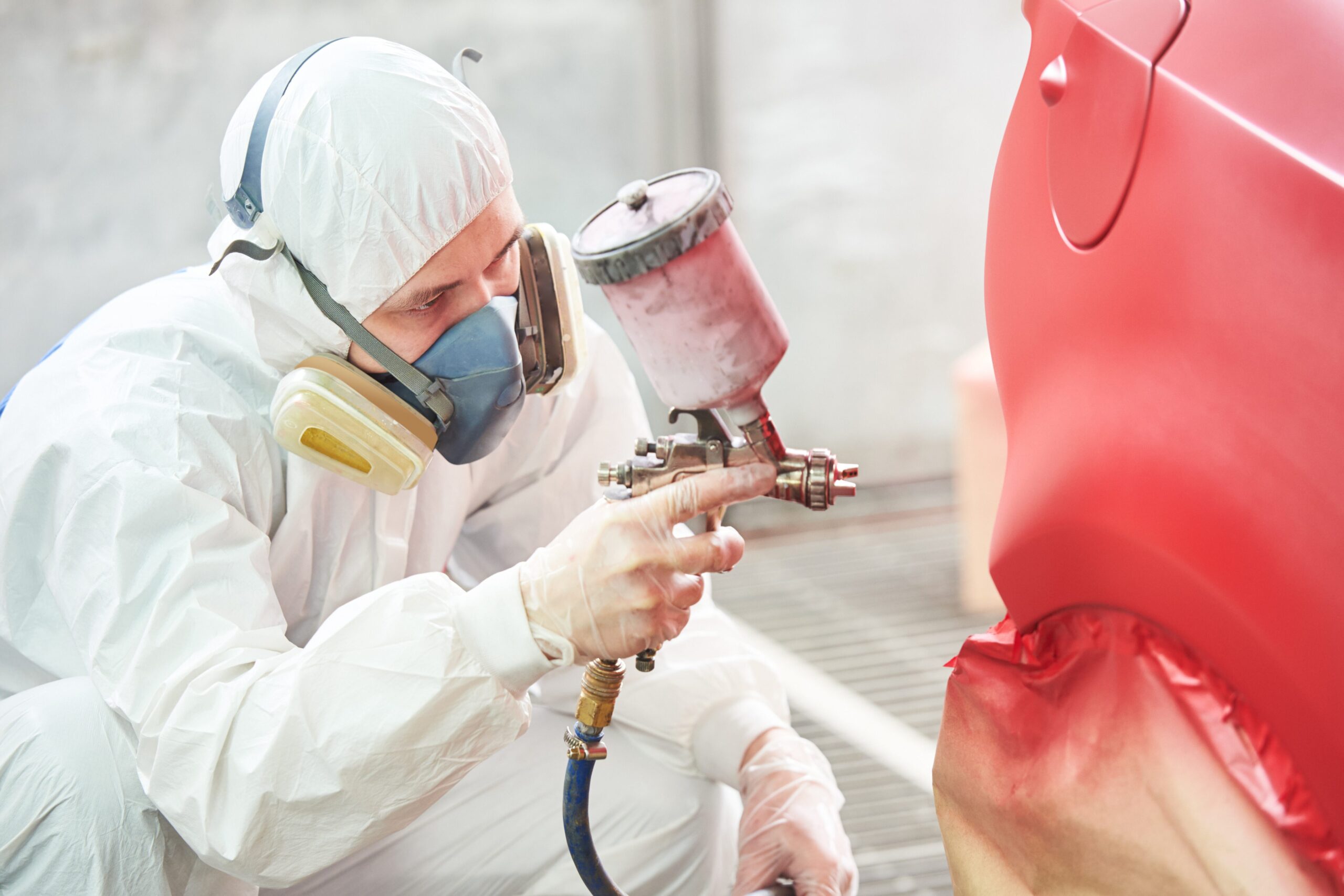
Spot restoration is appropriate when the peeling is genuinely localised to a small, defined area without underlying rust. The process involves removing all loose and compromised paint from the affected area, preparing the surface correctly, applying primer, colour-matched base coat, and clear coat, and then blending the repair into the surrounding paint. When done correctly by a skilled technician, a spot restoration addresses the problem at its source and produces a result that is very difficult to distinguish from the surrounding original paint.
Panel respray is the appropriate option when the peeling has progressed across a significant portion of a panel, when multiple attempts at spot repairs have not held, or when the existing paint on the panel is in a condition where a fresh application across the entire surface will produce a more consistent and durable result than attempting to work within the existing failing paint system. A full panel respray removes the uncertainty of trying to blend into compromised surrounding paint and delivers a fresh, properly bonded paint system across the entire panel.
Full vehicle respray becomes the relevant consideration when the peeling is widespread across multiple panels, when the overall paint condition of the vehicle has deteriorated to the point where addressing individual panels would not produce a consistent overall result, or when the vehicle owner wants to take the opportunity of necessary paint restoration to update or change the vehicle’s colour entirely.
At Metalcross, paint restoration and colour change services are available for all vehicle makes and models, with the colour matching expertise and premium paint products required to deliver a result that looks and lasts as it should.
Preventing Peeling Paint After a Repair
Once the peeling paint has been properly addressed and the vehicle’s paintwork has been restored, protecting that fresh finish is the priority. The most effective step is the application of a quality protective coating, whether a premium carnauba wax, a synthetic paint sealant, or a professional ceramic coating, applied over the cured paint surface to provide a durable barrier against the UV radiation, moisture, and environmental contaminants that caused the original paint failure.
Washing habits also play a meaningful role in paint longevity after a restoration. Avoiding harsh chemical cleaners, automated carwashes with abrasive brushes, and dry wiping removes the primary sources of micro-damage that gradually compromise the clear coat over time. A simple routine of regular washing using a pH-neutral automotive shampoo and a clean, soft wash mitt, followed by periodic wax or sealant application, will dramatically extend the life of a professionally restored paint finish compared to a vehicle that receives no protective attention after a repair.
Parking behaviour matters as well. Consistent exposure to direct sunlight accelerates UV degradation of the clear coat more than almost any other factor. Where covered or shaded parking is available, making use of it regularly is one of the simplest and most effective things a vehicle owner can do to slow the deterioration of their paintwork over time.
Restore Your Vehicle’s Paintwork the Right Way With Metalcross
Peeling paint is not something to put off. The longer it is left, the more it spreads, the more likely rust becomes, and the more extensive and costly the eventual repair. Addressing it properly and promptly is always the smarter and more economical choice.
Metalcross Vehicle Makeover Clinic in Fourways, Johannesburg has the experience and expertise to restore your vehicle’s paintwork correctly the first time.
Visit www.metalcross.co.za to get a quote or reach out via our contact page today.
Frequently Asked Questions
Can peeling a clear coat be repaired without a full respray?
Yes, in many cases. When the clear coat peeling is localised to a specific area and the paint and primer beneath are in sound condition without underlying rust, a skilled technician can remove the compromised clear coat, prepare the surface correctly, and apply fresh primer, base coat, and clear coat to the affected area, blending it into the surrounding paint. However, when the peeling is widespread or the underlying layers are compromised, a full panel respray or more extensive restoration is the more appropriate and durable solution.
How do I know if there is rust beneath my peeling paint?
Look for bubbling or raised areas in the paint around the peeling, particularly near panel edges, door handles, or areas where moisture might collect. Discolouration beneath the lifted paint, ranging from orange to dark brown, is a clear indicator of rust. If you press gently on a bubbled area and it feels soft or hollow rather than solid, rust has almost certainly developed beneath the surface. A professional assessment will confirm the extent of any underlying corrosion.
Is it worth repairing peeling paint on an older vehicle?
In most cases, yes. Leaving peeling paint unaddressed on any vehicle allows rust to develop and spread, which ultimately causes far more structural and financial damage than addressing the paint issue early would have involved. Even on an older vehicle, proper paint restoration protects the metal beneath, maintains the vehicle’s value, and prevents the kind of progressive corrosion damage that can eventually render panels irreparable.
How long does a professional paint restoration take at Metalcross?
The timeline depends on the extent of the peeling and the repair approach required. Metalcross operates on a 15-hour turnaround on most services, and more involved paint restoration work will be given a clear timeline during the initial assessment. The team will give you an accurate estimate of the time required before any work begins so you can plan accordingly.