
Understanding Car Paint Correction and Why It Is Important
You wash your car, step back to take a look, and something still seems off. The paint looks dull, or you notice fine circular scratches that catch the light at certain angles. The colour is there, but the depth and clarity you remember from when the car was new seem to have faded away. What you are likely looking at is paint that needs correction, and it is one of the most misunderstood aspects of vehicle care among South African drivers.
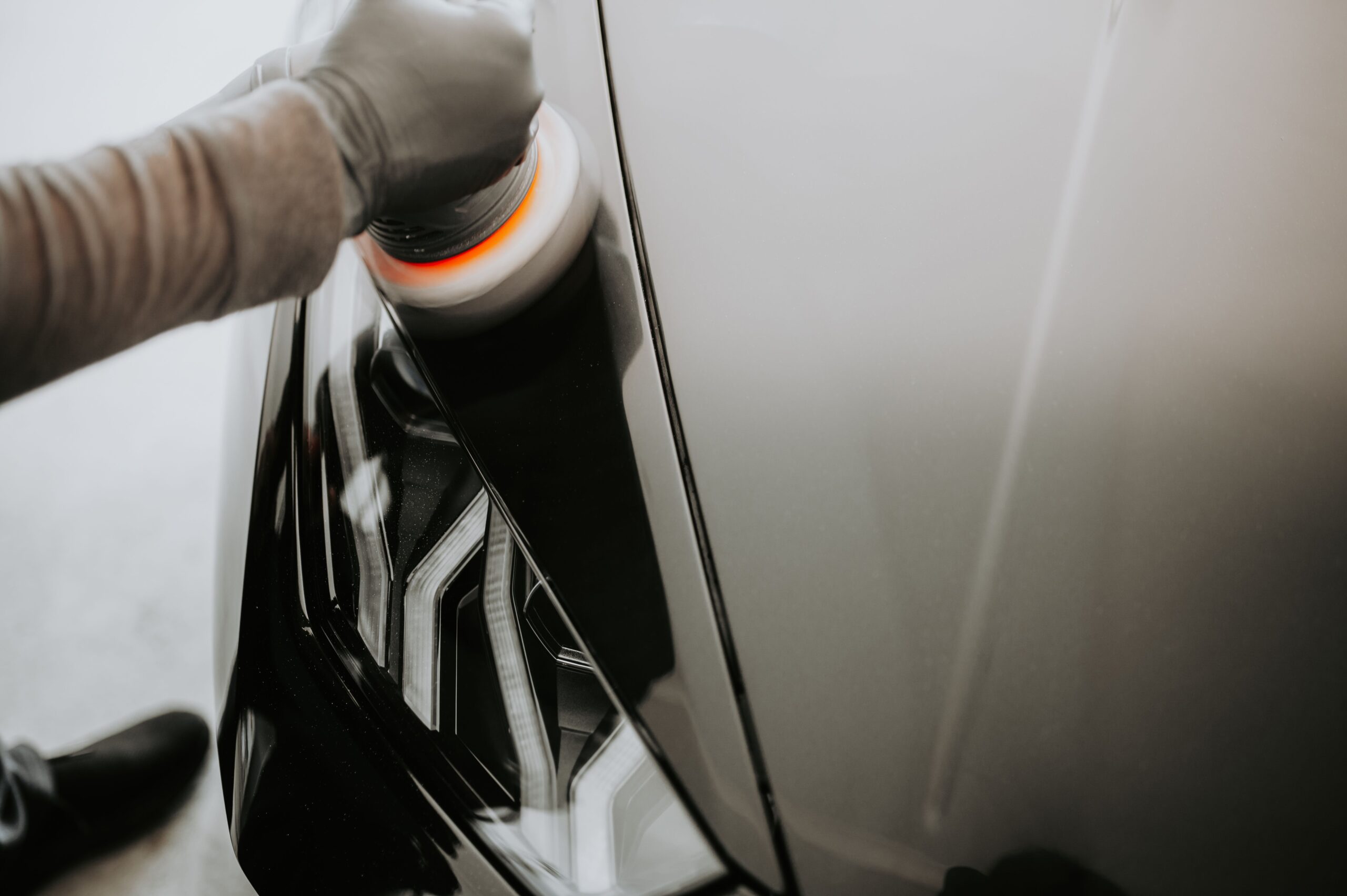
Paint correction is not the same as a wash, a wax, or a basic detail. It is a more involved process that physically removes a fine layer of the clear coat to eliminate surface imperfections and restore the paint’s original clarity and gloss. Understanding what it involves, when it is needed, and what it can and cannot fix helps you make informed decisions about your vehicle’s appearance and long-term condition.
What Paint Correction Actually Means
Paint correction is the process of removing surface defects from a vehicle’s paintwork through controlled machine polishing. The clear coat that sits on top of your vehicle’s base colour is not perfectly smooth at a microscopic level, and over time it accumulates scratches, swirl marks, water spots, and oxidation that rob the paint of its depth and reflectivity. Paint correction works by using a machine polisher with progressively finer compounds and polishing pads to carefully level the clear coat surface, removing the defects along with the thin layer of clear coat in which they sit.
The result, when done correctly, is paintwork that reflects light cleanly and evenly, producing the deep, glossy finish that most vehicle owners associate with a new or well-maintained car. It is worth understanding that paint correction is a precise and skilled process. Too aggressive an approach removes too much clear coat, which cannot be replaced without a full respray. Too gentle an approach fails to remove the defects properly. Getting the balance right requires experience, the correct equipment, and a thorough understanding of how different paint types respond to the process.
In South Africa, where vehicles are exposed to intense UV radiation, dusty conditions, and frequent washing with varying degrees of care, paint defects accumulate faster than in many other parts of the world. For Gauteng drivers in particular, the combination of summer heat, highveld dust, and automated carwash use creates ideal conditions for swirl marks and surface oxidation to develop relatively quickly on any vehicle that is not actively protected.
The Most Common Paint Defects That Correction Addresses
Swirl marks are the most frequently encountered paint defect in South African vehicles and are caused by microscopic scratches that form circular patterns in the clear coat. They are most commonly introduced through incorrect washing techniques, dirty wash mitts, automated carwashes with abrasive brushes, and dry wiping. In direct sunlight or under artificial lighting, swirl marks give the paint a hazy, spiderweb-like appearance that becomes more pronounced as they accumulate over time.
Water spots are another common issue, particularly in areas where tap water with a high mineral content is used to wash vehicles. When water evaporates from the paint surface, it can leave behind mineral deposits that etch lightly into the clear coat. In South Africa, where hard water is common in many areas and vehicles are frequently left to air-dry after washing, water spot etching is a widespread problem that regular washing alone cannot resolve.
Oxidation is the result of prolonged UV exposure breaking down the clear coat and the paint beneath it, causing the surface to appear chalky, faded, or dull. This is particularly prevalent on older vehicles and on those that are regularly parked in direct sunlight without any protective coating. Light to moderate oxidation can often be addressed through paint correction and polishing, restoring a significant degree of colour vibrancy and gloss. Severe oxidation, however, may require paint restoration or a full respray to achieve a satisfactory result.
Paint Correction vs. Paint Restoration: Knowing the Difference
These two terms are often used interchangeably, but they refer to different levels of intervention and it is important to understand the distinction before deciding what your vehicle needs. Paint correction addresses surface-level defects within the clear coat layer. It is appropriate for vehicles whose paint is structurally sound but has lost clarity and gloss due to swirl marks, water spots, light scratches, and mild oxidation.
Paint restoration goes further and is used when the damage has progressed beyond what polishing alone can resolve. This may involve wet sanding to address deeper scratches, the application of new paint layers to areas where the existing paint has worn through, or in more severe cases, a full panel respray. At Metalcross in Fourways, the team assesses each vehicle individually and recommends the appropriate level of intervention based on what the paint actually needs, rather than applying a one-size-fits-all approach.
Understanding which service your vehicle requires before booking it in saves both time and money. A vehicle that needs paint restoration will not achieve a satisfactory result from paint correction alone, while a vehicle that only needs correction does not require the more involved and costly restoration process. A professional assessment gives you clarity on exactly where your vehicle sits on that spectrum.
Why Paint Correction Matters Beyond Appearance
The most obvious benefit of paint correction is visual. A vehicle with corrected, properly polished paintwork looks significantly better than one covered in swirl marks and surface oxidation, and the improvement is immediately noticeable. However, the benefits extend beyond aesthetics in ways that directly affect the long-term condition and value of the vehicle.
Clear coat is the primary protective layer standing between your vehicle’s base colour and the elements. A clear coat riddled with swirl marks, water spot etching, and surface scratches is a compromised protective layer. The microscopic imperfections create weak points where UV radiation, moisture, and environmental contaminants can penetrate more easily, accelerating the deterioration of the paint beneath. Correcting and then sealing the surface with a quality wax, sealant, or ceramic coating restores its protective function and slows future degradation.
From a resale perspective, paintwork condition is one of the first things a prospective buyer or trade-in assessor evaluates. In South Africa’s used vehicle market, where buyers are value-conscious and have plenty of options, a vehicle with visibly swirled, dull, or oxidised paint will consistently attract lower offers than a comparable vehicle with clean, well-maintained paintwork. The investment in paint correction before selling or trading in a vehicle often returns more than its cost in the improved offer received.
What to Expect from a Professional Paint Correction Service
A professional paint correction service begins with a thorough wash and decontamination of the vehicle’s exterior to remove all surface dirt, tar, and bonded contaminants before any polishing begins. Polishing over a contaminated surface traps particles under the pad and introduces new scratches, which defeats the entire purpose of the process. This preparation stage is as important as the polishing itself and is a sign of a thorough, professional approach.
Following decontamination, the technician will assess the paint condition under dedicated lighting to identify the nature and depth of the defects present. Based on this assessment, the appropriate combination of machine, pad, and compound is selected for the correction stage. Multiple polishing stages are typically required, starting with a more cutting compound to remove the defects and finishing with a finer polish to refine the surface to a high gloss. The entire process requires patience, skill, and careful attention to ensure an even, consistent result across all panels.
At Metalcross in Fourways, colour detailing and paint correction services are carried out by experienced technicians who understand the specific challenges that South Africa’s climate presents for vehicle paintwork. Whether your vehicle needs a single-stage polish to restore gloss and remove light swirls, or a more thorough multi-stage correction to address deeper defects, the team will assess your vehicle honestly and deliver a result that makes a visible, lasting difference.
Restore the Clarity Your Paint Deserves with Metalcross
Dull, swirled, or oxidised paint does not have to be permanent. Paint correction is one of the most effective ways to transform a vehicle’s appearance and protect its finish for the long term, and the results speak for themselves.
Metalcross Vehicle Makeover Clinic in Fourways, Johannesburg offers professional colour detailing and pain correction services for all vehicle makes and models.
Call 011 704 1800 or visit www.metalcross.co.za to book your assessment and find out what your vehicle’s paint is truly capable of looking like.
Frequently Asked Questions
How do I know if my car needs paint correction or a full respray?
If your paint is structurally intact but looks dull, swirled, or has lost its gloss, paint correction is likely the appropriate solution. If the paint has worn through to the primer or bare metal, is peeling, or has severe oxidation that polishing cannot resolve, a respray or paint restoration is the more suitable route. A professional assessment at Metalcross will give you a clear, honest recommendation based on the actual condition of your vehicle’s paint.
Will paint correction remove all scratches?
Paint correction removes defects that sit within the clear coat layer. Light scratches and swirl marks that have not penetrated through the clear coat into the base coat are typically resolved through correction. Deeper scratches that have broken through to the colour layer or beyond require touch-up paint or panel repair rather than polishing alone.
How long does paint correction last?
The results of a professional paint correction can last for several years with proper aftercare. Applying a quality protective coating such as a wax, paint sealant, or ceramic coating immediately after correction seals the corrected surface and significantly extends the life of the results. Avoiding automated carwashes and adopting correct hand-washing techniques will further protect the finish.
Can paint correction be done on any vehicle?
Yes, paint correction can be performed on virtually any vehicle regardless of age, make, or colour. Darker coloured vehicles tend to show swirl marks and surface defects more visibly than lighter ones, making correction particularly impactful on black, dark grey, and deep navy paintwork. The team at Metalcross has experience working across all paint types and colours and will tailor the approach to suit your specific vehicle.