
How to Maintain Your Car’s Paint Job After a Professional Respray
South Africa is a beautiful country, but it is also one of the most demanding environments for a vehicle’s exterior. Between the intense Highveld sun, sudden hailstorms, dusty gravel roads, and the general wear that comes with daily Johannesburg commuting, your car’s paintwork takes a serious beating. When you have just invested in a professional respray, the last thing you want is for that fresh, flawless finish to deteriorate within a few months due to avoidable mistakes.
Getting a respray done by a reputable autobody centre is only half the battle. What you do in the days, weeks, and months that follow plays just as big a role in how long that finish lasts and how good it continues to look. Whether your vehicle has just come out of a full colour change or a spot repair following accident damage, the aftercare habits you adopt from day one will determine the long-term outcome.
This guide is designed to help South African vehicle owners, particularly those in the Johannesburg and Fourways areas, understand exactly how to care for a freshly resprayed car. Follow these steps and you will protect your investment, preserve your vehicle’s value, and keep it looking showroom-ready for years to come.
The Curing Period: Why the First 30 Days Are Critical
One of the most common mistakes vehicle owners make after a respray is treating the fresh paint the same way they would treat a fully cured, older finish. New automotive paint requires time to fully harden and bond to the surface underneath, and this process, known as curing, can take anywhere from two to four weeks depending on the type of paint used, the application conditions, and the weather.
During this initial curing period, you should avoid washing your car with high-pressure water. The force from a pressure washer or even a standard carwash machine can disturb the paint before it has fully set, causing surface imperfections, streaking, or in some cases, peeling. If your vehicle does get dusty or dirty during this time, the safest approach is to rinse it gently by hand using clean water and a very soft microfibre cloth.
You should also avoid parking your freshly resprayed vehicle under trees during the curing period. Tree sap, bird droppings, and fallen leaves all contain acidic compounds that can etch into soft, uncured paint extremely quickly. In South Africa, where summer afternoons can bring fast, unexpected rain followed by intense sunshine, the combination of moisture and heat can also affect how the paint cures if the vehicle is not properly protected. Parking in a shaded garage during this time is the best option available to you.
Washing Techniques That Protect Rather Than Damage
Once your paint has fully cured, a proper washing routine becomes your most important line of defence against long-term paint deterioration. Many South Africans unknowingly damage their paintwork through incorrect washing habits, using the wrong products, dirty cloths, or techniques that create fine scratches known as swirl marks.
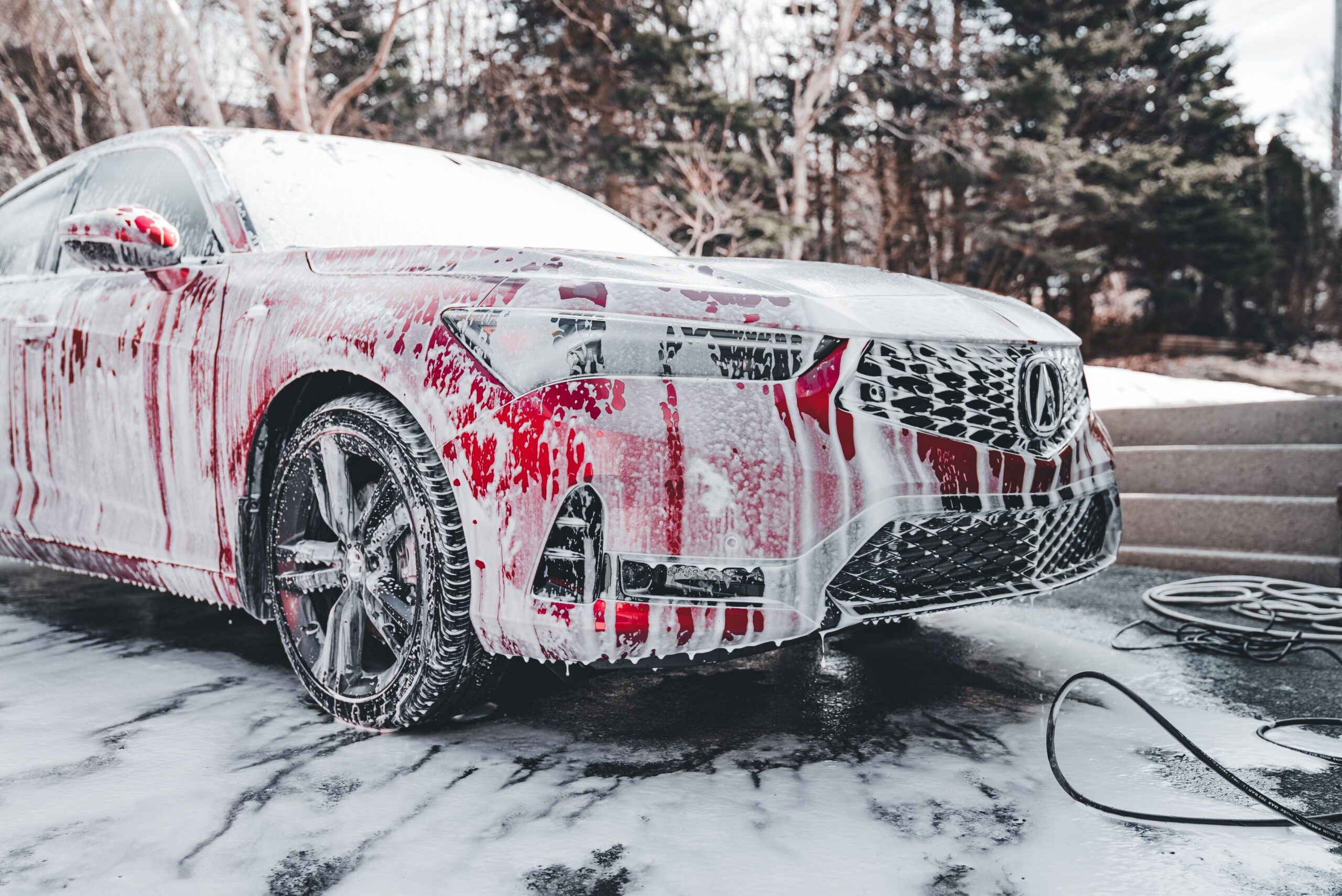
Always use a dedicated automotive shampoo rather than household detergents or dishwashing liquid. Household cleaning products strip away the protective wax layer on your paint and can cause the surface to dry out and oxidise more quickly. This is particularly important in Johannesburg, where the UV index is consistently high throughout the year, leaving unprotected paint vulnerable to fading and chalking.
The two-bucket washing method is highly recommended by professional detailers and autobody specialists alike. The system involves using one bucket of clean soapy water for washing and a second bucket of plain water for rinsing your wash mitt between passes across the vehicle. This prevents dirt and grit picked up from the car’s surface from being dragged back across the paint, which is the primary cause of those fine circular scratches that dull a finish over time. Always wash from the roof downward, finishing with the lower panels and sills last, as these areas tend to carry the most road grime.
The Importance of Waxing and Paint Protection in South Africa
South Africa’s climate creates a unique set of challenges for automotive paintwork. The Gauteng summer brings intense afternoon sun combined with high UV radiation, while the winter months in Johannesburg bring dry, cold air and dusty conditions that can leave a dull haze on unprotected surfaces. A quality wax or paint sealant is one of the most effective tools available to combat these conditions.
Waxing creates a thin sacrificial layer on top of your paint that absorbs the damage from UV rays, environmental contaminants, and minor surface abrasions before they can reach the actual paint surface. For a freshly resprayed vehicle, you should wait at least four weeks before applying any wax to ensure the paint has fully cured. Once that period has passed, a good carnauba wax or synthetic paint sealant applied every three months will significantly extend the life and appearance of your respray.
For those who want a longer-lasting solution, ceramic coating is worth serious consideration. Applied by a professional, ceramic coatings bond chemically to the paint surface and can provide protection for several years rather than weeks. While the upfront cost is higher than a standard wax, the durability and protection offered makes it a worthwhile investment, especially for newer or recently resprayed vehicles. Centres like Metalcross, with over 40 years of experience in vehicle makeovers, are well placed to advise you on the most appropriate protection product for your specific vehicle and situation.
Parking Habits and Environmental Awareness
Where and how you park your vehicle every day has a surprisingly large impact on how well your paint holds up over time. In South Africa, where outdoor parking is the norm for millions of drivers, understanding the environmental threats around you is key to protecting your respray.
Direct sunlight is one of the biggest enemies of automotive paint. Prolonged exposure to UV radiation causes paint to oxidise, fade, and lose its gloss over time. Wherever possible, park your vehicle in a garage, carport, or shaded area during the peak sun hours of late morning to mid-afternoon. If covered parking is not available, a high-quality car cover designed for outdoor use provides a practical layer of protection and can make a meaningful difference over months and years.
Bird droppings and tree sap deserve special mention because both are highly acidic and can cause permanent etching if left on the paint surface for too long. In South Africa’s warm climate, the reaction between these contaminants and your paint can occur very quickly, sometimes within a matter of hours on a hot day. If you notice bird droppings or sap on your vehicle, remove them as soon as possible using a damp microfibre cloth and a dedicated contaminant remover. Never rub them off dry, as this will drag abrasive particles across the paint and create scratches.
Regular Professional Attention Keeps Your Respray Looking Its Best
While the habits you maintain at home form the foundation of good paint care, there is no substitute for periodic professional attention. A professional detail and paint inspection every six to twelve months allows trained eyes to catch early signs of paint degradation, stone chips, or micro-scratches before they develop into more serious and costly problems.
Stone chips are a particularly common issue for South African drivers, especially those who regularly use highways or travel on gravel roads in and around Gauteng. A small stone chip may seem insignificant, but once the protective paint layer is broken, the bare metal underneath is exposed to moisture and begins to rust. Catching and treating these chips early, through a process known as spot touch-up, is far more cost-effective than waiting for the rust to spread and require a full panel repair or another respray.
Professional colour detailing services, like those offered at Metalcross in Fourways, can also restore depth and clarity to paint that has begun to look slightly dull or tired, even if it is relatively new. A machine polish and sealant applied by a trained technician removes microscopic surface imperfections and leaves the paint looking vibrant and well-maintained. Combined with your at-home washing and waxing routine, this professional support ensures your respray investment delivers maximum value.
Keep Your Respray Looking Brilliant with Metalcross in Fourways
Investing in a professional respray is a significant decision, and the right aftercare habits make all the difference in how long that finish lasts. From smart washing techniques to regular waxing and professional check-ups, small consistent actions protect your investment for years to come.
Metalcross Vehicle Makeover Clinic in Fourways, Johannesburg, is your trusted partner for paint restoration, colour changes, and expert aftercare advice.
With over 40 years of experience, the team is ready to help you keep your vehicle looking its best.
Contact them today at 011 704 1800 or visit www.metalcross.co.za to request a quote.
Frequently Asked Questions
How soon after a respray can I wash my car?
You should wait at least two to four weeks before washing your vehicle after a professional respray. This allows the paint adequate time to fully cure and harden. During the curing period, avoid high-pressure water and automated carwashes entirely. If the car becomes dirty before the curing period is over, a gentle rinse by hand using clean water and a soft microfibre cloth is the safest approach.
Can I use any car shampoo on a freshly resprayed vehicle?
Not all car shampoos are suitable for a fresh respray. Avoid products that contain wax additives or strong degreasers during the first month, as these can interfere with the curing process. Once the paint has fully cured, use a dedicated pH-neutral automotive shampoo that is gentle on paint and does not strip protective coatings.
How often should I wax my car after a respray in South Africa?
Given the high UV exposure and environmental conditions in South Africa, particularly in Gauteng, it is recommended to wax your vehicle every two to three months. Waxing forms a protective barrier between your paint and the sun, dust, bird droppings, and other contaminants that are part of daily South African driving conditions. For longer-lasting protection, speak to a professional about ceramic coating options.
What should I do if I notice a stone chip on my resprayed panel?
Address it as quickly as possible. Stone chips that are left untreated expose bare metal to moisture, which leads to rust. A professional autobody centre like Metalcross can apply a spot touch-up that blends seamlessly with your existing paint, preventing the damage from spreading and saving you from a far more costly repair down the line.