
Foggy Headlights Are a Safety Risk: Here Is the Simple Solution
You have probably noticed it gradually. What were once clear, bright headlight lenses have slowly taken on a dull, yellowish appearance. Maybe you have started to notice that your headlights do not seem to illuminate the road ahead as well as they used to at night, or perhaps a friend or family member pointed it out during the day. Whatever brought it to your attention, foggy and discoloured headlamps are far more than a cosmetic inconvenience. They are a genuine safety concern, and one that is extremely common among South African vehicle owners.
The good news is that yellowed, hazy headlamps do not mean you need to spend thousands of rands replacing your headlight units. In the vast majority of cases, the problem can be fully resolved through a professional headlamp restoration. This blog explains exactly what causes headlamp yellowing, why it matters more than most drivers realise, and what your options are when it comes to getting the problem fixed properly.
Why Do Headlamp Lenses Turn Yellow and Foggy?
Modern vehicle headlamp lenses are made from polycarbonate plastic rather than glass. Polycarbonate is lightweight and impact-resistant, but it has one significant weakness: it is highly susceptible to degradation from ultraviolet radiation. When a new vehicle leaves the factory, the headlamp lenses are coated with a clear UV-protective layer. Over time, and particularly under the intense UV conditions experienced in South Africa, this protective coating breaks down.
Once the UV coating has deteriorated, the polycarbonate beneath it begins to oxidise, which is what causes the characteristic yellowing, cloudiness, and haziness you see on older headlamp lenses. The process is accelerated by factors that are all very present in the South African environment, including intense sunlight, high temperatures, road chemicals, and the abrasive effect of sand, dust, and small stones. Gauteng’s climate in particular, with its strong summer sun and dry, dusty winters, creates a near-perfect environment for headlamp deterioration.
Left untreated, the problem does not simply stay the same. As the oxidation deepens, the lens develops micro-cracks and pitting that further scatter the light output from the bulb. Eventually, the degradation can become severe enough that restoration is no longer possible and full replacement becomes the only option. Catching and addressing the problem early is always the smarter and more cost-effective approach.
How Foggy Headlamps Affect Your Safety on South African Roads
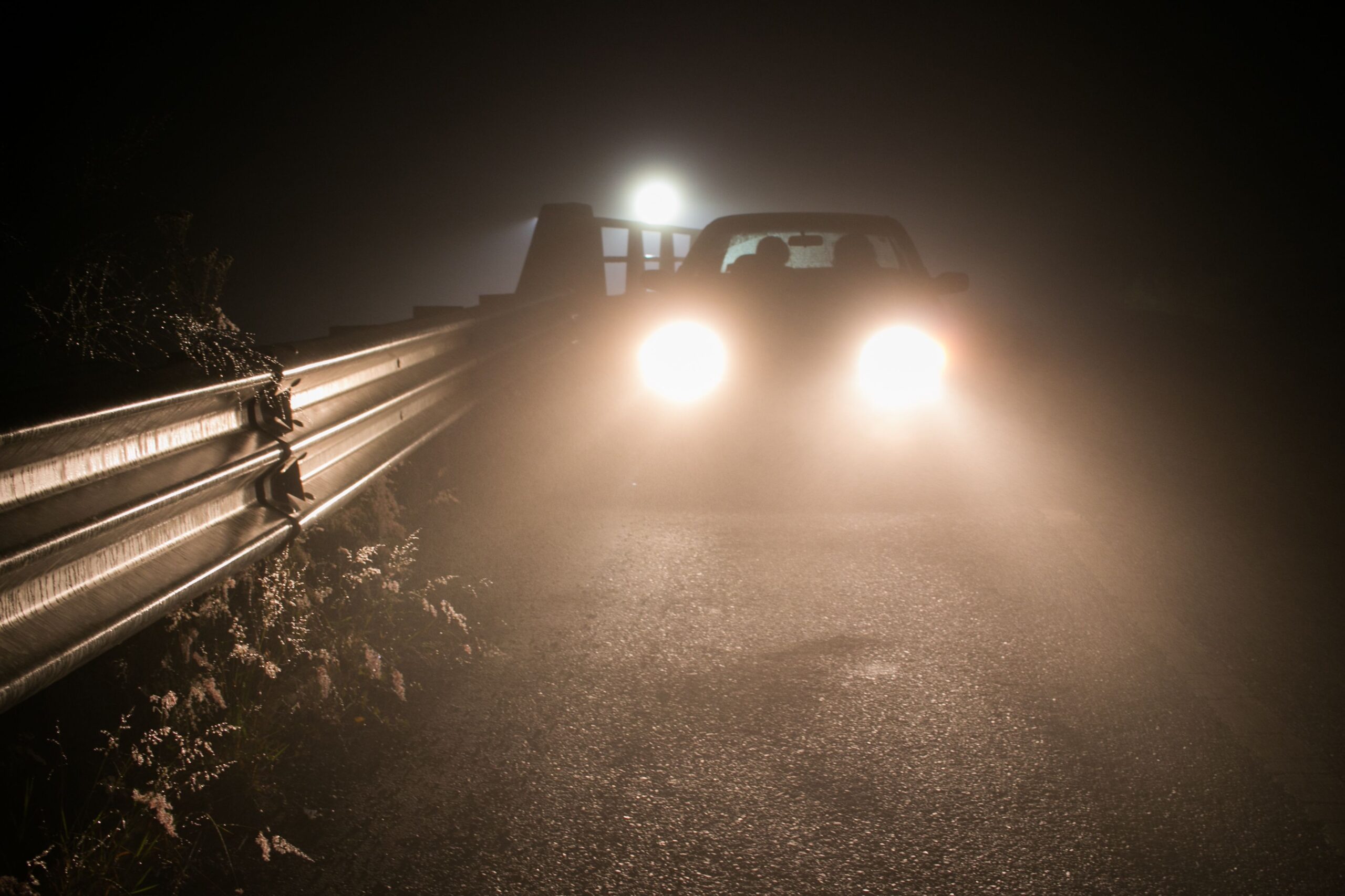
Many drivers underestimate just how significantly degraded headlamp lenses affect visibility. A lens that appears moderately yellowed to the eye can reduce effective light output reaching the road by a substantial margin. Heavily oxidised lenses can reduce usable light output by up to 80 percent compared to a clear lens, which translates directly into reduced reaction time and stopping distance when driving at night.
For South African drivers, this is a particularly serious concern. South Africa’s roads present a unique set of nighttime hazards, including poorly lit rural roads, pedestrians walking along unlit highways, potholes that appear without warning, and animals crossing in less urban areas. Driving with significantly reduced headlamp output in these conditions dramatically increases the risk of an accident. It also affects your ability to be seen by oncoming traffic, since degraded lenses scatter light rather than projecting a focused, visible beam.
There is also a legal dimension to consider. South African road traffic regulations require that vehicles are maintained in a roadworthy condition, which includes functional and adequately performing lighting. Severely degraded headlamps can be flagged during a roadworthy inspection, and in the event of a nighttime accident, the condition of your lights could become a factor in determining liability.
Restoration vs. Replacement: Understanding Your Options
When faced with yellowed or foggy headlamps, South African vehicle owners generally have two options: professional restoration or full headlamp unit replacement. Understanding when each is appropriate will help you make the right call for your situation and budget.
Headlamp restoration involves mechanically removing the oxidised outer layer of the polycarbonate lens through a controlled sanding and polishing process. A technician works through progressively finer grades of abrasive, polishes the lens to a clear finish, and then applies a fresh UV-protective coating to seal the restored surface. When done correctly, the result is a lens that looks and performs as close to new as possible, at a fraction of the cost of replacement.
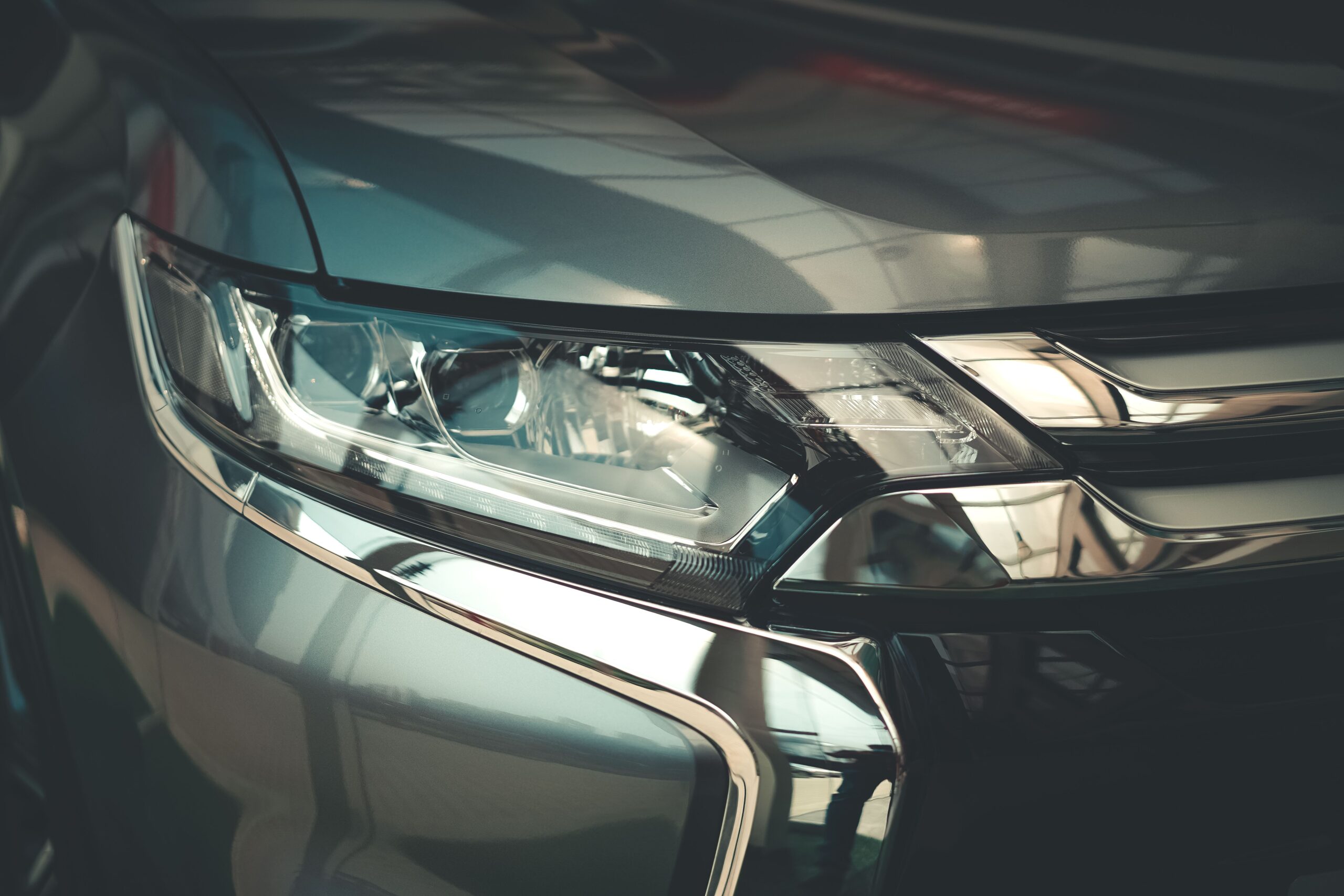
Full headlamp unit replacement is the appropriate route when a lens has deteriorated beyond what restoration can fix, when there is internal moisture damage within the housing, or when the lens has developed structural cracks. Replacement units are available for most popular South African vehicle models, but the cost is significantly higher than restoration, making it a route best reserved for cases where restoration is genuinely not viable.
What the Professional Restoration Process Looks Like at Metalcross
At Metalcross Vehicle Makeover Clinic in Fourways, headlamp restoration is a skilled, hands-on process carried out by trained technicians who understand the nuances of working with different lens types and degrees of oxidation. The process begins with a thorough assessment to confirm whether restoration is the right solution or whether replacement is necessary.
The restoration involves carefully masking the surrounding paintwork to protect it, then working through a series of wet sanding stages to remove the oxidised material evenly across the lens surface. Following the sanding, the lens is machine-polished to restore clarity and gloss, and a professional-grade UV sealant coating is applied to protect the result. The difference in both appearance and nighttime visibility is immediately noticeable once the restoration is complete.
Metalcross offers headlamp restoration for all vehicle makes and models, from compact hatchbacks to SUVs and bakkies. Turnaround time is fast, and in most cases the service can be completed on the same day, making it a highly convenient fix for a problem that many South African drivers have been quietly putting off for far too long.
Why DIY Headlamp Restoration Kits Often Fall Short
Walk into any motor spares shop in South Africa and you will find DIY headlamp restoration kits on the shelves. They are attractively priced and seem straightforward, but the results are highly variable, and a poor application can sometimes leave the lens in a worse condition than before.
The primary challenge with DIY restoration is achieving an even result across the entire lens surface. Inconsistent sanding pressure, incorrect abrasive progression, or insufficient polishing can result in swirl marks, uneven clarity, or a lens that looks improved initially but deteriorates again quickly because the UV sealant was not applied correctly. Professional technicians use machine polishing equipment that applies consistent, controlled pressure, producing a far more uniform and durable result.
There is also the risk of damaging surrounding paintwork or trim during a DIY attempt if the masking is not done carefully. Given that the cost difference between a professional restoration and a DIY kit is relatively modest, and the difference in quality and longevity is significant, the professional route is the better investment for most South African vehicle owners.
Clear Lenses, Safer Roads: Let Metalcross Restore Your Headlamps
Foggy, yellow headlamps affect your safety, your vehicle’s appearance, and potentially its roadworthiness. The fix is straightforward, affordable, and fast when handled by the right team.
Metalcross Vehicle Makeover Clinic in Fourways, Johannesburg, offers professional headlamp restoration for all vehicle makes and models.
Call 011 704 1800 or visit www.metalcross.co.za to book your restoration or request a quote today.
Frequently Asked Questions
How long does a professional headlamp restoration take?
In most cases, both headlamp lenses can be fully restored within a few hours, making it a service that can often be completed while you wait or on the same day as a drop-off. Your technician will give you a more specific estimate based on the condition of your lenses.
How long will the results of a headlamp restoration last?
A professionally applied UV sealant can keep the lenses clear for two to three years or more under normal South African conditions. Parking in a shaded or covered area where possible will help extend the life of the restoration by reducing direct UV exposure.
Can all headlamp lenses be restored, or are some beyond repair?
Most lenses with yellowing, haziness, or surface oxidation can be successfully restored. However, lenses with deep cracks, significant pitting, or internal moisture damage may be beyond restoration. A quick professional assessment at Metalcross will determine the right course of action for your specific vehicle.
Is headlamp restoration worth it if my car is older?
Absolutely. Headlamp restoration is one of the most impactful and affordable improvements you can make to an older vehicle. For vehicles still in daily use on South African roads, clear and properly functioning headlamps are not optional. They are a basic safety requirement.