
Repair or Replace? How Panel Beaters Decide When a Part Has to Go
You drop your car off after a minor bump in a Sandton shopping centre parking lot, expecting a straightforward bumper repair. Later that afternoon the quote arrives, and one line stands out: replace. The damage looked small, so why does the panel beater want to swap the whole part out?
For many South African drivers, this is where the confusion sets in. The decision to replace a part rather than repair it is one of the most important calls made during any assessment. It affects your repair cost, your turnaround time, and how well your vehicle protects you if it is ever involved in another impact. It is also a decision that is rarely explained well, which leaves many drivers wondering whether they are being upsold.
This blog explains how experienced panel beaters decide between repairing and replacing a damaged part, what types of replacement parts are available in South Africa, and what to ask before you approve the work. Whether you drive a hatchback around Fourways or a family SUV through Randburg traffic, understanding this process puts you in a far stronger position when your quote lands.
Why Good Panel Beaters Look at Repair First
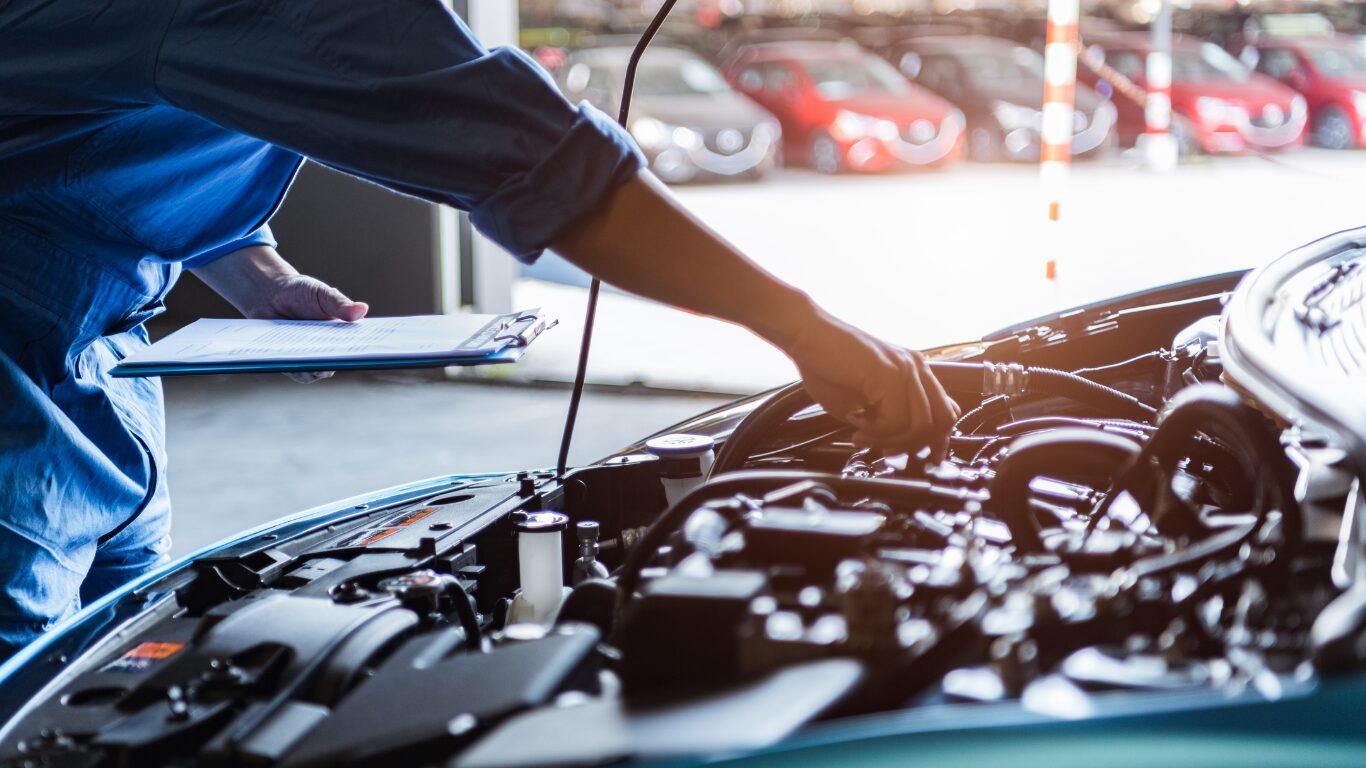
A reputable repair centre starts every assessment with one question: can this part be restored to its original shape, strength, and finish? In most small damage repair situations, the answer is yes. A dented door skin, a scuffed bumper corner, a shallow crease along a rear quarter panel, and most scratch repair jobs can be handled by reshaping, filling, and refinishing the existing part.
Repair is often the preferred route for good reasons. Original factory panels were fitted on the production line with precise alignment, and keeping them in place preserves those factory gaps. Repairing also avoids the delays of sourcing parts, which in South Africa can stretch from a day to several weeks depending on your vehicle’s make and model.
Repair does have limits, though. Metal can only be reshaped so far before it loses strength, and plastic can only be welded and filled so many times before it turns brittle. Part of what you pay for in an assessment is the judgement to recognise when a repair would look fine on collection day but fail within months.
The Situations Where Replacement Becomes the Right Call
Broken mounting points are one of the most common reasons a part is replaced. A bumper cover may look only lightly scuffed, but if the plastic clips and tabs holding it to the vehicle have snapped, it will never sit flush again. A technician can sometimes rebuild a single tab, but when several have failed, replacement is the only way to restore a secure fit. This is especially common after low speed bumps in parking lots and at busy intersections along William Nicol Drive.
Stretched metal is another deciding factor. When a panel is struck hard enough, the steel does not only bend, it stretches, and stretched metal cannot simply be pushed back without leaving a wavy surface. Severe hail damage is a good example. A bonnet covered in dozens of deep dents may have so much stretched metal that replacing the panel is faster, more durable, and sometimes cheaper than working out every dent individually.
Safety components fall into their own category. Impact absorbers, reinforcement bars, and headlamp units with cracked housings are designed for a specific job, and once compromised they cannot be reliably repaired. A headlamp with a broken mounting lug may still shine, but it can vibrate out of alignment on Gauteng’s potholed roads, affecting both visibility and roadworthiness. Where rust has eaten through a panel edge or sill, replacing the affected section is often the only permanent fix.
OEM, Aftermarket, and Used Parts: What South African Drivers Should Know
Once replacement has been recommended, the next question is which type of part will be fitted. OEM parts are made by or for the vehicle manufacturer to the same specification as the original. Aftermarket parts are produced by independent manufacturers and range from excellent to barely acceptable. Used parts are taken from other vehicles, usually through local spares dealers, and can be practical for older models where new parts are scarce.
Each option carries trade-offs. OEM parts offer the best fit and longevity but cost more, particularly for imported European brands. Quality aftermarket parts can save money without compromising safety, but cheaper versions may leave uneven gaps or warp under the harsh Highveld sun. Used parts can be cost-effective, although their condition needs careful checking.
It is also worth knowing that the Competition Commission’s guidelines for the South African automotive aftermarket, in effect since 2021, gave consumers more freedom to use independent repairers and non-dealer parts without automatically voiding their warranty, though it is always worth confirming the specifics with your manufacturer. A transparent repair centre will tell you exactly what is being fitted and why.
A New Part Still Needs Expert Paint Repair
Many drivers assume a replacement part arrives ready to bolt on. In reality, most new panels and bumpers are supplied in primer and still need to be painted to match the rest of the vehicle. This is where the quality of a repair centre’s paint repair work becomes critical, because a new part painted in the factory colour code will not automatically match a car that has spent years in the South African sun.
UV exposure gradually fades your original paint, so the technician must adjust the colour formula to match the current shade of the surrounding panels. Metallic and pearl finishes add further complexity, and in many cases the new colour is blended into adjacent panels so that the transition is invisible.
Fitment is the other half of the job. A replaced door, wing, or bonnet has to be aligned so its gaps are even and it opens, closes, and latches exactly as the original did. Sensors, clips, trims, and wiring must also be transferred correctly. A part painted perfectly but fitted poorly will still look wrong.
Preventing Peeling Paint After a Repair
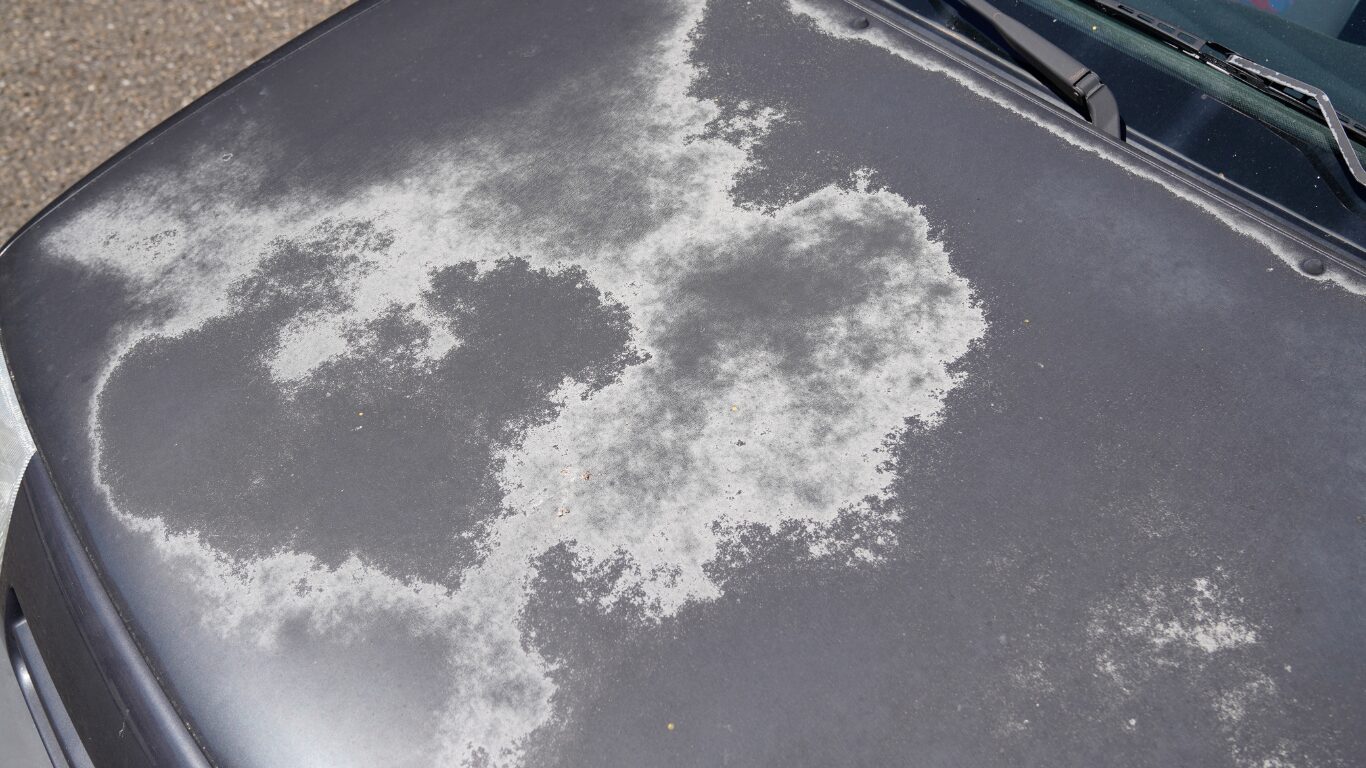
Many drivers assume a replacement part arrives ready to bolt on. In reality, most new panels and bumpers are supplied in primer and still need to be painted to match the rest of the vehicle. This is where the quality of a repair centre’s paint repair work becomes critical, because a new part painted in the factory colour code will not automatically match a car that has spent years in the South African sun.
UV exposure gradually fades your original paint, so the technician must adjust the colour formula to match the current shade of the surrounding panels. Metallic and pearl finishes add further complexity, and in many cases the new colour is blended into adjacent panels so that the transition is invisible.
Fitment is the other half of the job. A replaced door, wing, or bonnet has to be aligned so its gaps are even and it opens, closes, and latches exactly as the original did. Sensors, clips, trims, and wiring must also be transferred correctly. A part painted perfectly but fitted poorly will still look wrong.
How Part Replacement Fits Into an Insurance Claim
If your repair is going through insurance, the decision usually involves more than just the panel beater. South African insurers typically appoint an assessor to review the quote, and the assessor may approve, query, or adjust line items where replacement has been recommended. Clear photographs and notes explaining why a part cannot be repaired help this move quickly.
Parts sourcing is where many claims slow down. Parts can only be ordered once authorisation is given, and for imported or less common models, delivery can take time. You should also check whether your policy specifies OEM or aftermarket parts, as knowing this upfront gives you the option to top up the difference if you prefer a particular part. Metalcross has experience working with a wide range of South African insurers and can help guide you through the process.
The Right Call on Every Part: Trust Metalcross in Fourways
Deciding whether to repair or replace a damaged part is not about choosing the most expensive option. It is about restoring your vehicle’s appearance, safety, and value properly, with no shortcuts that come back to bite you later.
Metalcross Vehicle Makeover Clinic in Fourways, Johannesburg brings over 40 years of experience to every assessment, giving you an honest recommendation on repair or replacement along with expert fitment, colour matching, and paint repair.
Call 011 704 1800 or visit www.metalcross.co.za to book your assessment today.
Frequently Asked Questions
Why would a panel beater replace a part instead of repairing it?
A part is usually replaced when its mounting points are broken, when the metal has stretched beyond what reshaping can correct, when a safety component such as an impact absorber has been compromised, or when rust has eaten through the panel. In these cases, a repair would not restore the part’s original strength or fit.
Will a replaced part affect my car’s resale value?
A professionally replaced part that is fitted, painted, and colour matched correctly should not reduce your vehicle’s resale value. In many cases, it protects it, because buyers and dealership assessors across Johannesburg look closely for poor fitment, uneven panel gaps, and mismatched paint. Keeping your repair invoice and warranty documents also gives buyers confidence that the work was done properly.
Does a replacement part need to be painted?
In most cases, yes. New panels and bumpers are usually supplied in primer and must be painted and colour matched to your vehicle’s current shade, which may have faded over time. Skilled technicians often blend the new paint into neighbouring panels for a seamless finish.
Will replacing a part make my repair take longer?
It can, depending on parts availability for your make and model. Common parts are often available within a day or two, while imported parts may take longer. Metalcross will give you a clear timeline during your assessment so you know what to expect before work begins.