
Colour Matching After a Repair: Why It’s So Hard to Get Right
You have probably seen it before, either on someone else’s car or perhaps on your own after a repair. A panel that has been repaired and repainted looks slightly different from the panels around it. Maybe the repaired door is a shade lighter than the rest of the car, or the colour looks right in shade but noticeably different in direct sunlight. It is one of the most frustrating outcomes of an autobody repair, and it is far more common than most people realise.
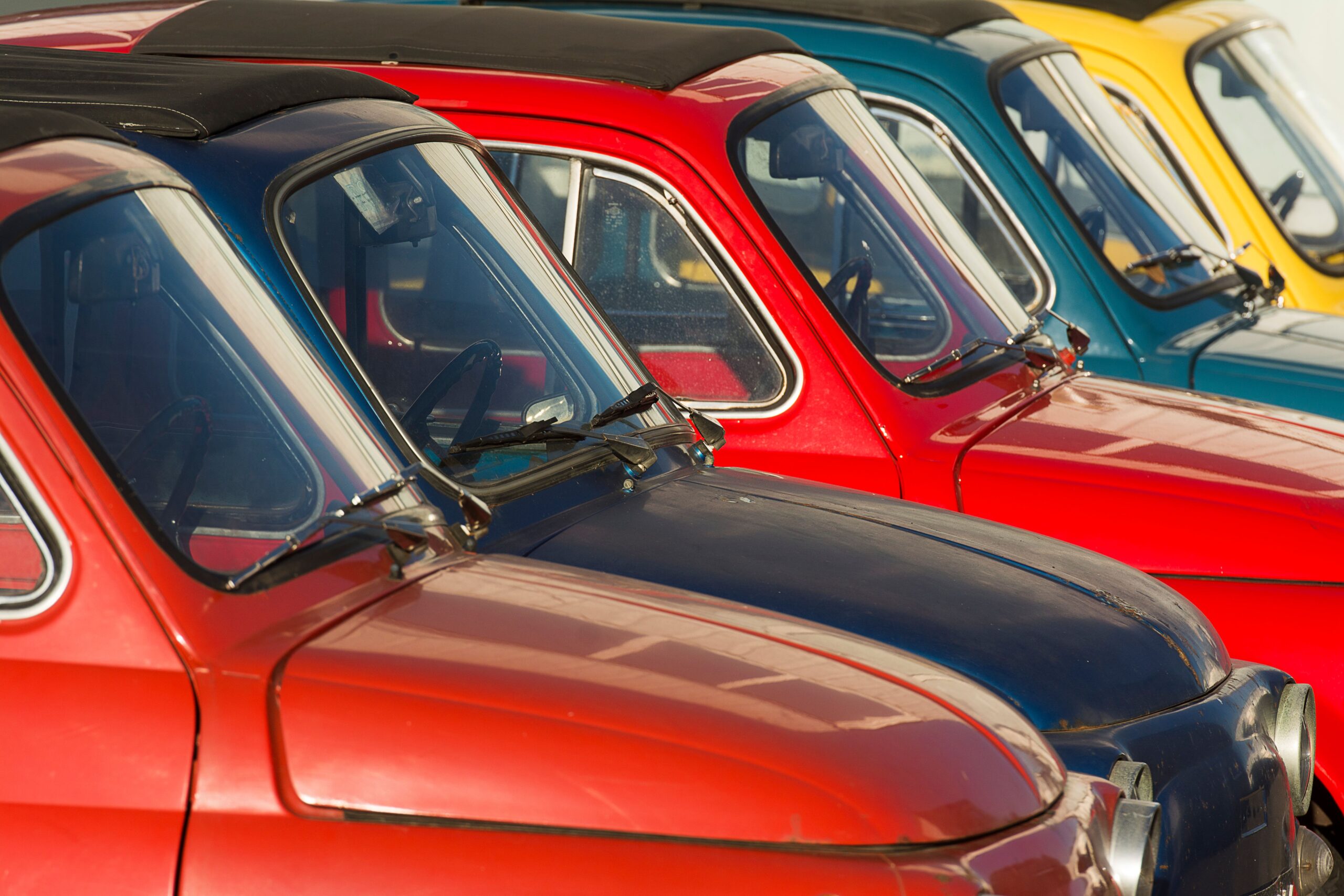
Colour matching is widely considered one of the most technically demanding aspects of professional autobody repair. It requires a combination of specialised equipment, technical knowledge, skilled application, and a trained eye that develops only through years of hands-on experience. Understanding why it is so difficult helps set realistic expectations and underscores the importance of choosing a repair centre with the expertise to get it right.
Why Vehicle Paint Is More Complex Than It Appears
When you look at your vehicle and see a single colour, what you are actually seeing is the result of multiple layers of carefully applied materials. A standard factory paint system consists of a primer layer applied directly to the metal, a base coat that carries the actual colour, and a clear coat on top that provides gloss, depth, and protection. Some vehicles, particularly those with metallic, pearl, or special effect finishes, have additional layers or specialised pigments that make the colour even more complex to replicate.
The challenge begins with the fact that no two batches of paint are exactly identical, even when they carry the same colour code. Paint manufacturers work within tolerance ranges, which means that two cans of paint with the same code can produce results that are subtly but visibly different from one another. Add to this the reality that your vehicle’s existing paint has been exposed to sunlight, heat, rain, and cleaning products for months or years, and the gap between a fresh application of the original code colour and the faded, weathered paint on the rest of the car becomes a significant technical obstacle.
In South Africa, where UV radiation is intense and vehicles spend considerable time exposed to direct sunlight, paint fading occurs faster than in many other climates. A vehicle that is only two or three years old can already show enough colour shift from its original factory specification to make a direct code match visibly inconsistent when applied to a single panel.
The Role of Paint Codes and Why They Are Not Enough on Their Own
Every vehicle manufactured comes with a paint code, a unique identifier that specifies the exact colour formulation used at the factory. This code is typically found on a sticker or plate in the door jamb, under the bonnet, or in the boot. When a panel is repaired and needs to be repainted, the paint code is the starting point for matching the colour. However, experienced autobody technicians will tell you that the paint code alone is rarely sufficient to achieve a perfect match on a vehicle that has been on the road for any length of time.
The reason is paint fade. As a vehicle ages and its paint is exposed to the elements, the colour gradually shifts from its original specification. The degree of fade varies depending on the colour itself, the quality of the clear coat, the amount of direct sun exposure the vehicle receives, and whether any protective coatings have been applied and maintained. A solid white vehicle parked indoors most of its life will fade at a very different rate to a deep red bakkie that spends its days in the Gauteng sun.
To compensate for this fade, experienced technicians use spectrophotometers, devices that measure the light reflectance of the existing paint and help calculate an adjusted formula that accounts for the degree of colour shift. Combined with test sprays on a sample panel and visual assessment under different lighting conditions, this technology significantly improves the accuracy of the match. However, even with the best equipment available, achieving a truly seamless match remains one of the most skill-dependent tasks in the repair process.
How Application Technique Affects the Final Colour Result
Even when the correct adjusted formula has been mixed, the way in which the paint is applied plays a critical role in how the final colour appears. Factors such as spray gun pressure, distance from the panel, application speed, temperature, humidity, and the number of coats applied all influence the final colour and finish. Two technicians using the same paint formula can produce noticeably different results based on their application technique alone.
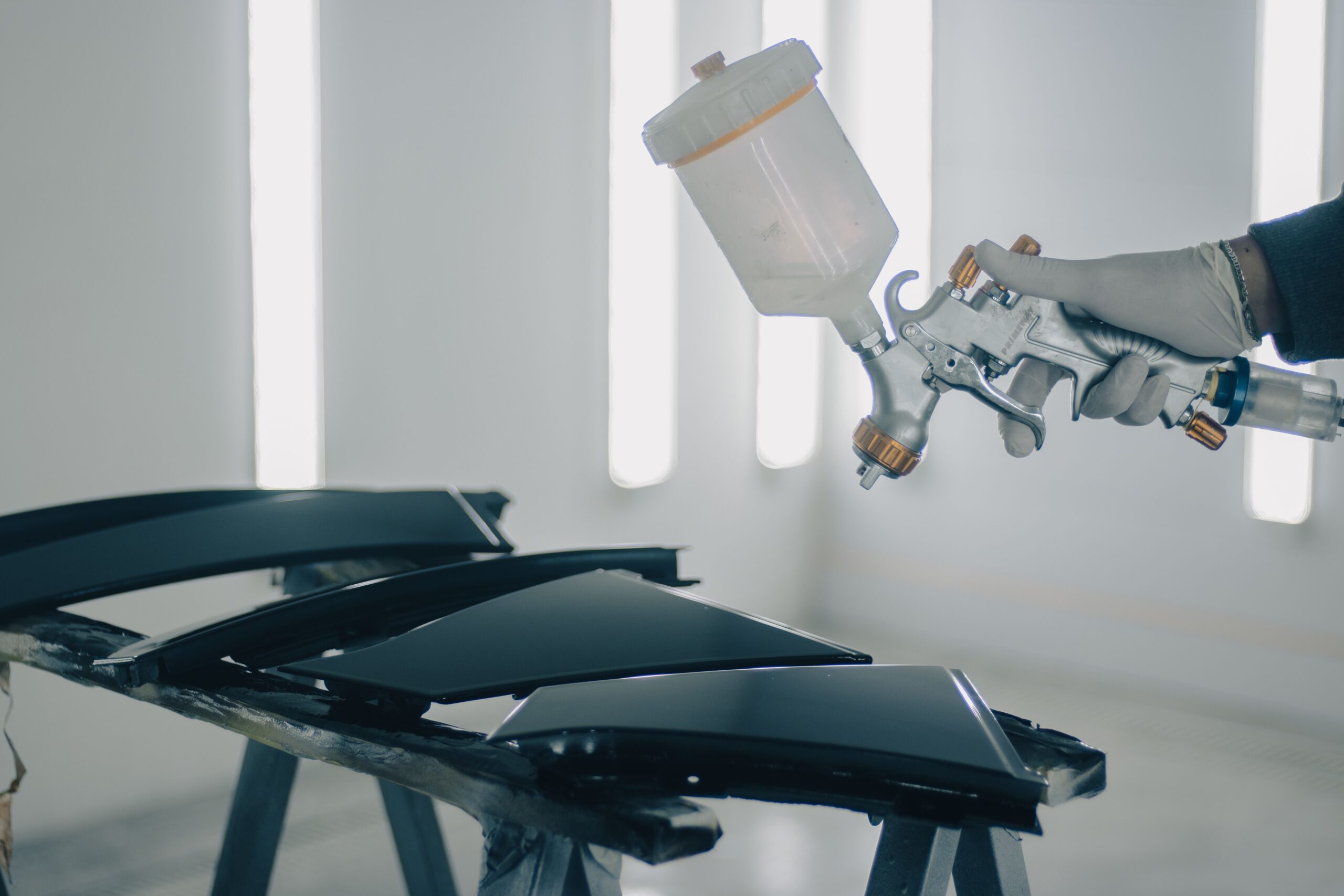
Metallic and pearl finishes are particularly sensitive to application variables. The metallic flakes or pearl pigments in these paints align differently depending on how the paint is sprayed, and their orientation directly affects how the colour appears when viewed from different angles. A panel where the metallic flake has settled in a different orientation to the surrounding panels will look like a different shade entirely when viewed side-on, even if the base colour is a perfect match when viewed straight on. This phenomenon, known as flop or travel, is one of the reasons why metallic and pearl colours are significantly harder to match than solid colours.
Blending is the technique used by skilled technicians to minimise the visibility of the colour transition between a newly painted panel and the surrounding existing paint. Rather than painting only the repaired panel and stopping at the panel edges, blending involves feathering the new paint into the adjacent panels to create a gradual transition that the eye cannot easily detect.
Done correctly, blending makes it extremely difficult to identify where the repair begins and ends, even in challenging lighting conditions.
What Separates an Average Result from a Seamless One
The difference between a colour match that is obviously off and one that is virtually undetectable comes down to a combination of equipment quality, paint mixing expertise, application skill, and the time taken to do the job properly. Repair centres that prioritise speed and volume over quality are far more likely to produce colour match results that disappoint, because achieving a truly accurate match requires patience and a willingness to test, adjust, and refine before committing to the final application.
At Metalcross in Fourways, colour matching is approached with the seriousness it deserves. With over 40 years of experience repairing and repainting vehicles across every make, model, and colour type available in the South African market, the team has developed the skill and judgement that comes only from extensive hands-on practice. The combination of modern mixing technology and experienced application technique means that the colour match on a Metalcross repair is consistently among the most accurate available in the Johannesburg area.
South African vehicle owners should also be aware that the quality of the paint products used makes a meaningful difference to the final result. Premium paint systems with well-calibrated mixing ratios produce more consistent and accurate results than budget alternatives, and the investment in quality materials is reflected in the finished appearance and long-term durability of the repair.
Trust Your Colour Match to the Experts at Metalcross
A seamless colour match is not luck. It is the result of the right equipment, quality materials, technical knowledge, and the kind of experience that only comes from years of doing the work properly.
Metalcross Vehicle Makeover Clinic in Fourways, Johannesburg has the expertise and the track record to deliver colour match results that blend seamlessly with your vehicle’s existing paintwork.
Call 011 704 1800 or visit www.metalcross.co.za to get a quote and experience the difference that genuine expertise makes.
Frequently Asked Questions
Why does my repaired panel look different in sunlight compared to shade?
This is a very common experience and is related to how metallic flakes or pearl pigments in the paint reflect light at different angles. A colour that appears to match well in shade can look noticeably different under direct sunlight if the flake orientation or formula adjustment is slightly off. This is one of the reasons why skilled technicians assess colour matches under multiple lighting conditions before signing off on a repair.
Can colour matching be done accurately on older vehicles with faded paint?
Yes, though it requires more skill and adjustment than matching a newer vehicle. Experienced technicians use spectrophotometers to measure the degree of fade on the existing paint and adjust the mixing formula accordingly. Blending the new paint into adjacent panels further reduces the visibility of any remaining variation, producing a result that is as seamless as possible given the condition of the surrounding paint.
Does the colour of my car affect how difficult it is to match?
Significantly. Solid colours such as white, black, and primary shades are generally easier to match than metallic, pearl, or special effect finishes. Deep or complex colours such as dark greens, purples, and multi-tone pearls are among the most challenging to match accurately. Regardless of your vehicle’s colour, the team at Metalcross has the experience and equipment to achieve the best possible result.
What is blending and do I need it for my repair?
Blending is the technique of feathering new paint into the panels adjacent to the repaired area to create a gradual, undetectable colour transition. It is particularly recommended for metallic and pearl finishes where an exact panel-edge match is difficult to achieve. Your technician at Metalcross will advise whether blending is appropriate for your specific repair based on the colour and condition of your vehicle’s existing paintwork.